How to Make Graco Car Seat Into Booster
To make your Graco car seat into a booster, first confirm your seat model supports booster mode and that your child meets the height and weight limits. This initial check is crucial for safety and proper use.
Next, unlock and remove the harness straps by following the manual’s instructions carefully. Once removed, store the harness straps safely to keep them in good condition for future use.
Adjust the seat belt guides to ensure proper lap and shoulder belt placement. Make sure the belt fits snugly and is free from twists.
Finally, position the booster flat against the vehicle seat to maintain stability. Following these steps keeps your child safe—explore further to master fit tips and maintenance.
Decide When to Switch From Car Seat to Booster
When should you switch your child from a car seat to a booster? The key to car seat safety is ensuring your child meets the right height and weight requirements before making the switch.
Typically, children should remain in a forward-facing car seat with a harness until they reach the maximum height or weight limit set by the manufacturer. Booster timing is essential; switching too early can compromise safety, while switching too late may be uncomfortable.
Check your car seat’s manual for specific limits. You want your child to be tall enough for the vehicle’s seat belt to fit properly across the shoulder and lap.
Understand Combination vs. Convertible Graco Seats
Explore the differences between combination and convertible Graco seats to choose the best fit for your child’s safety and comfort. Convertible seats are designed to be used rear-facing for infants and then switch to forward-facing harness mode as your child grows.
However, most convertible seats don’t offer booster compatibility, meaning they stop at the forward-facing stage. Combination seats, on the other hand, start as forward-facing harness seats and then convert into belt-positioning boosters, providing extended use without needing a separate booster seat.
When deciding between combination vs. convertible, consider your child’s age, size, and how long you want to use the seat safely. Understanding these differences helps you pick a seat that grows with your child and ensures proper booster compatibility for a smooth transition to a booster.
Check If Your Graco Car Seat Converts to a Booster
How can you tell if your Graco car seat converts to a booster? First, check the model number and manual, as many Graco combination seats are designed for booster conversion. Using sound reasoning, verify that your child meets the height and weight requirements for booster mode. This ensures safety and proper fit.
| Feature | Booster Convertible | Non-Convertible |
|---|---|---|
| Harness System | Removable | Fixed |
| Weight Limit for Booster | 40-100 lbs | N/A |
| Manufacturer Guidance | Booster mode allowed | Booster mode not supported |
Always review the manufacturer’s guidelines and perform post ride care by inspecting the seat for wear. This helps maintain safety and prolongs the seat’s usability.
Remove Harness Straps for Booster Mode
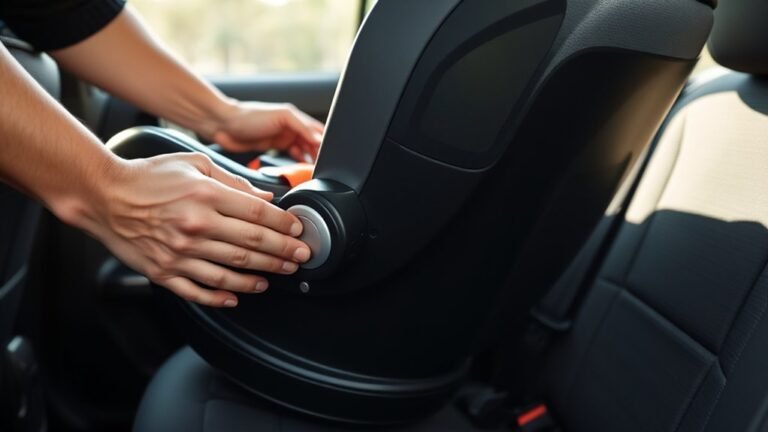
First, find the harness release mechanism on your Graco car seat to unlock the straps. Carefully detach the harness straps without forcing any parts to avoid damage.
Make sure to store the harness components safely for future use or adjustments.
Locate Harness Release Mechanism
Where exactly is the harness release mechanism on your Graco car seat? Typically, you’ll find it at the back of the seat, near the bottom. It’s often a small lever, button, or pull tab designed to loosen the harness straps.
Before starting booster installation, locate this mechanism to safely and effectively remove the harness straps. Graco designs these releases for easy access but be sure to consult your specific model’s manual for exact placement.
Engaging the harness release allows you to loosen the straps fully and prepare the seat for conversion. Remember, proper use of the harness release is pivotal for a secure transition from car seat to booster, ensuring your child’s safety during booster installation.
Detach Straps Carefully
Why is it important to detach the harness straps carefully during the conversion? Proper detaching straps ensures the booster conversion collateral remains intact and safe for future use. Mishandling can damage the straps or connectors, compromising the seat’s safety features.
Follow these steps to detach straps safely:
- Release the harness tension using the located release mechanism to avoid sudden snaps.
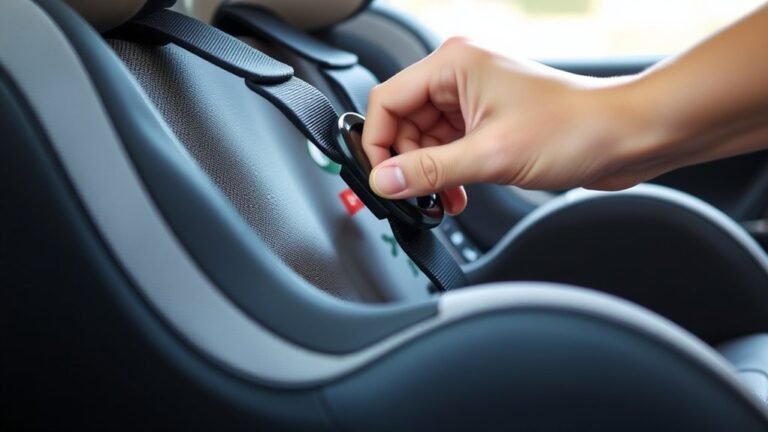
- Gently unthread the straps from the splitter plate and metal adjuster, ensuring you don’t twist or fray them.
- Keep track of all hardware and connectors involved in the detaching process to maintain booster conversion collateral for reassembly or storage.
Store Harness Components Safely
How should you store the harness components after removing the straps for booster mode? First, keep the harness straps, buckle, and chest clip together in a clean, dry bag or container to avoid misplacing them. Label the container clearly so you can quickly find the parts when switching back to harness mode.
Avoid tossing these components into a drawer or random spot, as that leads to confusion or damage. Don’t get distracted by an unrelated topic or random discussion while handling these parts; stay focused to ensure nothing gets lost.
Proper storage protects the integrity of the harness and keeps your child safe. Remember, safety comes first. Always check the components before reinstalling the harness to confirm they’re in good condition.
Adjust Seat Belt Guides for Proper Fit
When adjusting the seat belt guides, you’ll want to make certain the belt fits snugly across your child’s shoulder and hips without slipping or twisting. This step is crucial for safe installation and ensures child comfort during every ride. Follow these steps:
- Position the seat belt guides at or just above your child’s shoulder level to prevent the belt from resting on their neck.
- Check that the lap belt lies flat across the upper thighs, not the stomach, for optimal protection.
- Adjust the guides so the belt remains taut and straight, avoiding any slack or twists that could compromise safety.
Properly adjusted guides keep the belt secure, making your Graco booster both safe and comfortable for your child.
Secure Your Child Safely in a Graco Booster
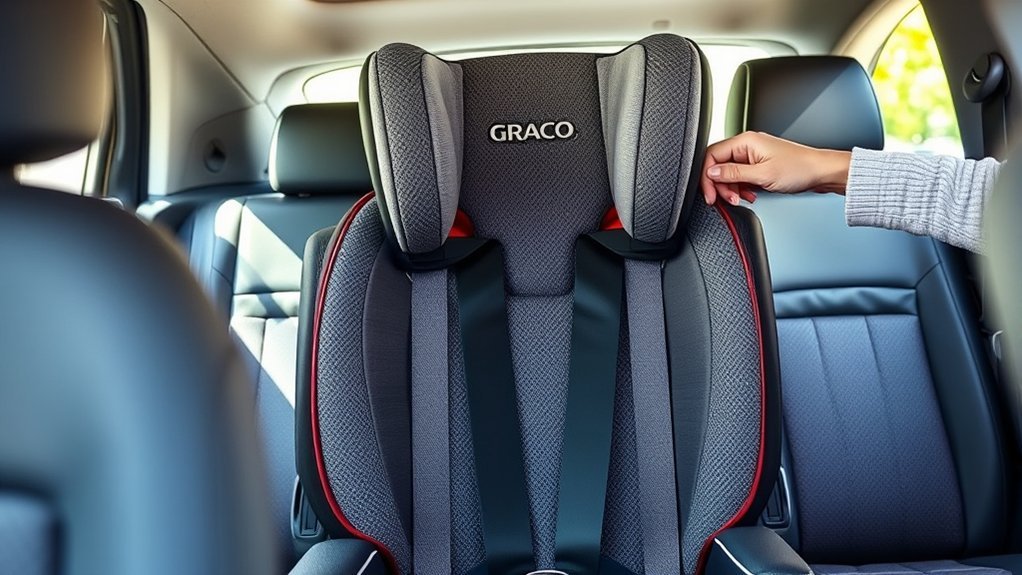
Ensuring your child is securely fastened in a Graco booster involves more than just buckling the seat belt. First, position the booster so your child sits comfortably with their back flat against the vehicle seat.
Make sure the lap belt lies low across the hips, not the stomach, and the shoulder belt crosses the chest and rests snugly on the shoulder, avoiding the neck or face. Use the seat belt guides on the booster to maintain proper belt placement.
Avoid distractions by focusing solely on securing the booster and ignoring unrelated topics during installation. Remember, two word ideas like “belt fit” and “seat position” help you remember key safety steps.
Properly securing your child reduces injury risks and ensures safe travels every time.
Avoid Common Mistakes With Your Graco Booster Seat
Why do some common mistakes with Graco booster seats happen so often? Mostly, it’s because booster setup seems straightforward, but small errors can compromise safety. To avoid these pitfalls, focus on these key points:
1. Incorrect seat belt positioning
Always ensure the seat belt crosses your child’s shoulder and lap properly; a twisted or loose belt reduces protection.
2. Skipping the booster’s proper installation
Double-check that the booster is firmly secured and doesn’t shift during travel.
3. Using the booster too early or too late
Follow Graco’s height and weight guidelines to know when to switch modes safely.
Fix Fit Issues When Converting Your Graco Booster
How can you quickly fix fit issues when converting your Graco booster seat? First, ensure the seat belt fits snugly across your child’s shoulder and lap, not the neck or stomach. Adjust the booster’s belt guides to align properly.
If the booster feels loose, check the seat base and tighten any straps or connectors. These steps preserve booster safety and maximize car seat benefits, ensuring your child’s protection.
| Issue | Cause | Quick Fix |
|---|---|---|
| Belt Twisting | Seat belt not aligned | Re-thread belt through guides |
| Loose Booster | Loose base or connectors | Tighten straps and base locks |
| Poor Shoulder Fit | Incorrect belt position | Adjust belt guide height |
| Uncomfortable Fit | Wrong booster size | Confirm booster size for child |
Clean and Maintain Your Graco Booster Seat
You should follow a regular cleaning schedule to keep your Graco booster seat safe and comfortable. Use only recommended, non-toxic cleaning products to avoid damaging the materials or compromising safety.
Always inspect the seat components for wear or damage during maintenance to ensure your child’s protection.
Regular Cleaning Schedule
When should you clean your Graco booster seat to keep it safe and in top condition? Regular cleaning is essential to maintain material durability and ensure your child’s safety. Follow this schedule to keep your booster seat in prime shape:
- Weekly wipe-down: Remove crumbs and spills using gentle disassembly techniques to access all parts without damaging components.
- Monthly deep clean: Fully disassemble the seat cover and padding, wash according to manufacturer instructions, and inspect for wear or damage.
- Post-incident cleaning: Immediately clean after any spills or accidents to prevent stains and odors from setting in.
Sticking to this routine helps preserve the booster’s integrity and keeps it hygienic, so you can confidently use your Graco booster every day.
Safe Cleaning Products
Which cleaning products work best to keep your Graco booster seat safe and in great condition? Choose mild, non-abrasive cleaners designed for safe cleaning. Avoid harsh chemicals, bleach, or solvents that can damage the durable materials and compromise safety.
Use a gentle soap diluted in warm water to spot clean fabric covers and plastic parts. Always test the cleaner on a small, hidden area first to ensure it won’t cause discoloration or deterioration.
After cleaning, let all parts air dry completely before reassembling. This approach preserves the integrity of the booster seat’s materials, ensuring it remains safe for your child. Following these guidelines helps maintain your Graco booster’s durability and performance over time without risking damage from improper cleaning products.
Inspecting Seat Components
Keeping your Graco booster seat clean sets the stage for a thorough inspection of its components. Use a detailed inspection checklist to ensure nothing is overlooked.
Focus on these key areas:
- Harness and Buckles: Check for cracks, frays, or sticky buckles affecting component durability.
- Seat Shell: Inspect for any cracks or warping that could compromise safety.
- Padding and Covers: Look for wear or tears that might reduce comfort and protection.
Regularly examining these parts helps maintain your booster’s integrity and keeps your child safe. If you spot any damage or wear, replace the component or the entire seat as needed.
Sticking to this inspection checklist ensures your Graco booster seat remains reliable and secure for every ride.
Find Model-Specific Instructions for Your Graco Seat
How do you ensure your Graco car seat booster is installed and used correctly? Start by locating the model-specific instructions, which provide essential details for safe conversion. Visit Graco’s official website or check the user manual for precise installation comparison guides.
These instructions highlight unique features and steps tailored to your seat model, helping you avoid mistakes during installation. Pay close attention to warranty coverage information, as improper conversion or use might void it.
Following the exact guidelines ensures your child’s safety and preserves your rights under the warranty. If you can’t find the manual, contact Graco customer support with your seat’s model number. By following model-specific instructions, you guarantee a secure, compliant booster setup every time.
Frequently Asked Questions
Can I Use a Graco Booster Seat on an Airplane?
You can use a Graco booster seat on an airplane if it meets airline safety regulations. Check air travel restrictions beforehand, as some airlines only allow FAA-approved car seats or harnesses for child safety during flights.
What Is the Weight Limit for a Graco Booster Seat?
Picture your child securely buckled, weighing between 40 to 100 pounds. That’s the typical Graco booster seat limit.
You’ll guarantee transition safety by following the maintenance schedule and regularly checking straps and buckles for wear.
How Long Does a Graco Booster Seat Typically Last?
A Graco booster seat typically lasts about 6 to 10 years. You’ll want to perform regular booster maintenance, like checking for wear and ensuring all parts work properly, to keep it safe and effective throughout its lifespan.
Are Graco Booster Seats Compatible With All Car Models?
Graco compatibility varies by car models, so you shouldn’t assume it fits all vehicles. Always check your car’s manual and Graco’s guidelines to ensure proper installation and safety for your child before using the booster seat.
Can I Transfer My Graco Booster Seat Between Multiple Vehicles?
You can transfer your Graco booster seat between vehicles, but ensure each car’s compatibility with the seat’s installation method.
Always check transfer compatibility to maintain safety and secure multi-vehicle use without compromising proper fit and function.
Conclusion
Transforming your Graco car seat into a booster is like unlocking a new chapter in your child’s safety journey. By following each step carefully—removing harnesses, adjusting guides, and ensuring a snug seat belt fit—you’re weaving a secure shield around your little one.
Remember, attention to detail is your compass; avoiding common mistakes keeps safety sailing smoothly. Keep your booster clean and check model specifics to navigate this transition with confidence and care.
When done correctly, you’ll have successfully made your Graco car seat into a booster, providing continued protection and comfort for your growing child.