How to Install Safety First Car Seat
To install your Safety First car seat, start by choosing the right seat based on your child’s age, weight, and height. Gather all necessary tools and carefully read the manual before beginning the installation process.
Place the seat securely in the back middle position of your vehicle if possible. Use either the LATCH system or the seat belt method to tightly fasten the base. Make sure the seat moves less than an inch when tested.
Adjust the harness snugly on your child, ensuring the chest clip is positioned at armpit level. Following these steps ensures proper installation and maximum safety. For more details, consult the manual for smooth transitions and maintenance tips.
Choose the Right Safety First Car Seat for Your Child
Choosing the right Safety First car seat for your child starts with considering their age, weight, and height. You need to select a seat that fits these criteria to ensure maximum safety.
Next, focus on choosing compatibility with your vehicle. Not all car seats fit every car model, so check your car’s manual or the Safety First website for guidance. This step prevents installation issues later on.
Keep car seat costs in mind; higher prices don’t always mean better safety, but ensure you don’t compromise on essential features. Balance your budget with safety ratings and compatibility.
Gather Tools and Read Your Safety First Car Seat Manual
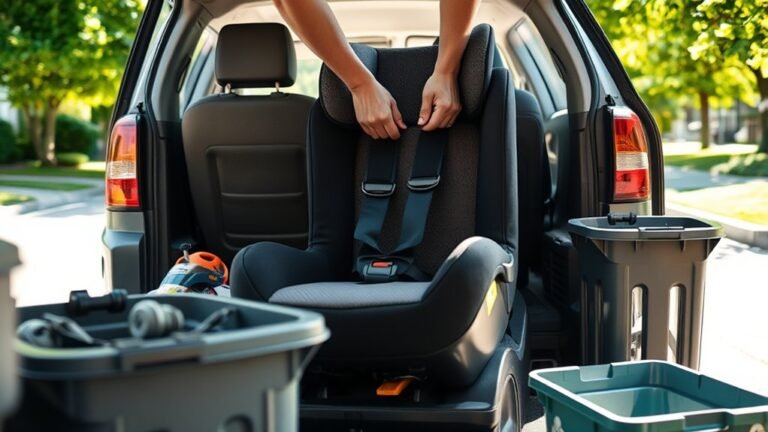
Before you start installing, gather all essential tools like a wrench or screwdriver to ensure a smooth process.
Make sure you read your Safety First car seat manual carefully. It contains specific instructions tailored to your model. Following the manual closely helps you secure the seat correctly and keeps your child safe.
Essential Tools Checklist
Although installing your Safety First car seat might seem straightforward, gathering the right tools and reading the manual carefully will guarantee a secure fit. Before you start, prepare an essential tools checklist to avoid safety reminders and reduce accidental hazards during installation.
| Tool | Purpose |
|---|---|
| Car seat manual | Understanding specific instructions |
| Vehicle owner’s manual | Locating seat belt anchors |
| Seat belt cutter | Emergency removal tool |
| Screwdriver | Adjusting seat components |
| Level indicator | Ensuring correct seat angle |
Having these tools at hand prevents interruptions and helps you follow safety guidelines precisely. Remember, skipping this step can lead to improper installation, increasing risks.
Take your time to gather all items and review safety reminders in the manuals before proceeding.
Manual Importance Overview
Why should you read your Safety First car seat manual carefully before installation? Because every model has specific instructions crucial for ensuring child safety. The manual guides you through proper installation steps, securing the seat firmly, and adjusting harnesses correctly.
Before you begin, gather all necessary tools listed in the manual to avoid interruptions. Following the manual also helps you understand important product maintenance tips, such as cleaning guidelines and inspection routines, which prolong the seat’s effectiveness and safety.
Skipping this step risks incorrect installation, compromising your child’s protection. Take time to read and follow the manual thoroughly. This ensures you install the seat correctly and maintain it properly, keeping your child safe on every ride.
Position Your Safety First Car Seat Correctly in Your Vehicle
A proper placement of your Safety First car seat guarantees maximum protection for your child during travel. To ensure child safety, avoid common car seat myths like placing the seat in the front or using the wrong orientation. Always position the car seat in the back seat, preferably in the middle, if possible.
| Location | Safety Level |
|---|---|
| Back Middle | Highest Protection |
| Back Side | Acceptable Protection |
| Front Seat | Not Recommended |
Keep the car seat upright and snug against the vehicle seat. Make sure the harness is positioned at or below your child’s shoulders for rear-facing seats, and at or above for forward-facing. Proper positioning is crucial for effective crash protection and your child’s safety.
Secure the Base Using LATCH or Seat Belt Methods
How do you guarantee your Safety First car seat base is firmly secured? Start by choosing either the LATCH system or your vehicle’s seat belt method for car seat installation.
Ensure your Safety First car seat base is firmly secured using either LATCH or your vehicle’s seat belt method.
If you use LATCH, connect the lower anchors on the base to the vehicle’s anchors. Tighten the straps until the base doesn’t move more than an inch side to side or front to back.
For the seat belt method, thread the seat belt through the base’s belt path, buckle it, and lock the belt by pulling it all the way out. Again, tighten the belt until the base is snug with minimal movement.
Always double-check your work to ensure your child’s safety. A secure base is the foundation of proper child safety in your vehicle.
Attach and Adjust Your Safety First Car Seat Harness Properly
Where should you start when attaching and adjusting the Safety First car seat harness? Begin by focusing strictly on the task, not entertaining any dark humor or off-topic distractions. Follow these steps for a secure fit:
- Position the harness straps at or just below your child’s shoulders if rear-facing, or at or above if forward-facing.
- Buckle the harness and chest clip securely.
- Tighten the straps until they’re snug, allowing no slack—you shouldn’t be able to pinch any webbing.
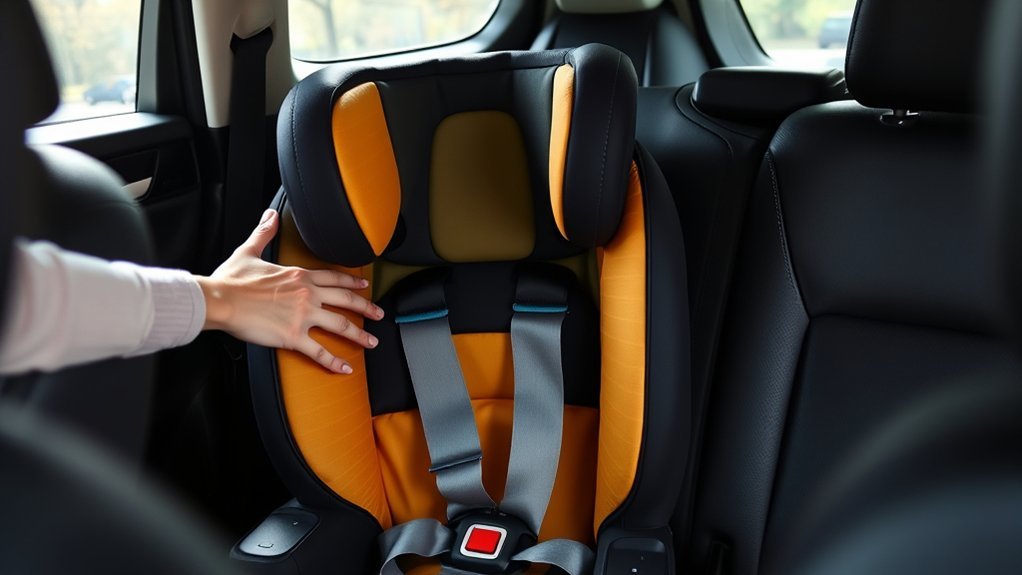
- Place the chest clip at armpit level to keep the harness properly positioned.
How to Double-Check Your Safety First Car Seat Installation
When should you double-check your Safety First car seat installation? Always verify it immediately after installation and periodically thereafter. Start by ensuring the seat doesn’t move more than one inch side-to-side or front-to-back at the belt path.
Next, double-check the harness straps for snugness and correct positioning. Use two word discussion ideas like “installation tightness” and “harness fit” to guide your review.
Stay informed about car seat recalls by regularly visiting trusted safety websites. Maintaining safety awareness helps you spot potential issues early.
If you find anything unusual or if your seat is part of a recall, stop using it and contact the manufacturer. Double-checking thoroughly ensures your child’s safety every ride.
Maintain and Transition Your Safety First Car Seat Safely
You need to adjust the car seat properly as your child grows to ensure maximum safety. Always check the weight and height limits before making any changes.
Transition your child to the next stage only when they meet these guidelines to keep them secure.
Proper Seat Adjustment
Proper seat adjustment guarantees your Safety First Car Seat provides maximum protection as your child grows. To ensure safety, follow these steps carefully:
- Confirm the harness straps are at or just above your child’s shoulders for forward-facing seats.
- Adjust the headrest to support your child’s head comfortably without restricting movement.
- Ensure the seat is installed with careful placement, avoiding gaps between the car seat and vehicle seat.
- When transitioning to a booster, check booster compatibility with your vehicle’s seat belt system and adjust the seat accordingly.
Regularly review these settings as your child grows to maintain optimal protection. Proper seat adjustment not only enhances comfort but also prevents injury during sudden stops or collisions. Always consult your car seat manual for model-specific instructions.
Weight and Height Limits
How do you know when it’s time to adjust or switch your Safety First Car Seat? Check your child’s weight and height against the car seat’s limits. Staying within these weight limits and height limits ensures proper protection.
Once your child exceeds either limit, it’s time to adjust the seat or move to the next stage.
| Car Seat Mode | Weight Limits (lbs) | Height Limits (inches) |
|---|---|---|
| Rear-Facing Infant | 5 – 40 | Up to 40 |
| Forward-Facing Toddler | 22 – 65 | Up to 49 |
| Booster Seat | 40 – 100 | Up to 57 |
Always consult your car seat manual for exact limits to keep your child safe and comfortable.
Timing Safe Transitions
Monitor your child’s growth closely to determine the right time for each car seat transition. Avoid rushing changes based on car seat myths like “they’re too big for rear-facing.”
Follow these steps to maintain safe sleep and travel:
- Check your child’s weight and height against Safety First car seat limits regularly.
- Keep your child rear-facing as long as possible for maximum protection.
- Transition to a forward-facing seat only when your child exceeds rear-facing limits.
- Move to a booster seat after outgrowing the forward-facing harness, ensuring the seat belt fits properly.
Frequently Asked Questions
How Long Does a Safety First Car Seat Typically Last?
You should expect your Safety First car seat longevity to be around six years. Always follow the recall response protocol by checking for recalls regularly to ensure your seat remains safe and effective throughout its lifespan.
Can I Transfer My Safety First Car Seat to Another Vehicle?
Yes, you can transfer your Safety First car seat to another vehicle. Just ensure vehicle compatibility by checking the seat fits securely and follows your car’s manual.
Always double-check installation for safety each time you switch.
Are Safety First Car Seats Compatible With Airplane Travel?
Yes, Safety First car seats have air travel compatibility, but you should always check airline safety guidelines first. Secure the seat using the airplane seatbelt and ensure it’s FAA-approved for safe, compliant air travel with your child.
What Should I Do if My Safety First Car Seat Is Recalled?
If your Safety First car seat is recalled, follow the recall procedures promptly by checking the manufacturer’s website.
Contact them for replacement options or repair instructions to ensure your child’s safety without delay.
How Do I Clean and Care for My Safety First Car Seat Fabric?
You should remove the fabric cover and follow the cleaning tips on the label. Use mild detergent, cold water, and air dry.
Avoid harsh chemicals to maintain fabric care and keep your Safety First car seat fresh and safe.
Conclusion
Now that you’ve mastered installing your Safety First car seat, you’re basically a professional—at least until the next model comes out. Just remember, even though it seems straightforward, double-checking your work isn’t optional; it’s lifesaving.
So, don’t skip the final inspection, no matter how eager you are to hit the road. After all, keeping your child safe is one job you’ll never want to take lightly—or casually.
Always prioritize safety by ensuring your Safety First car seat is installed correctly every time.