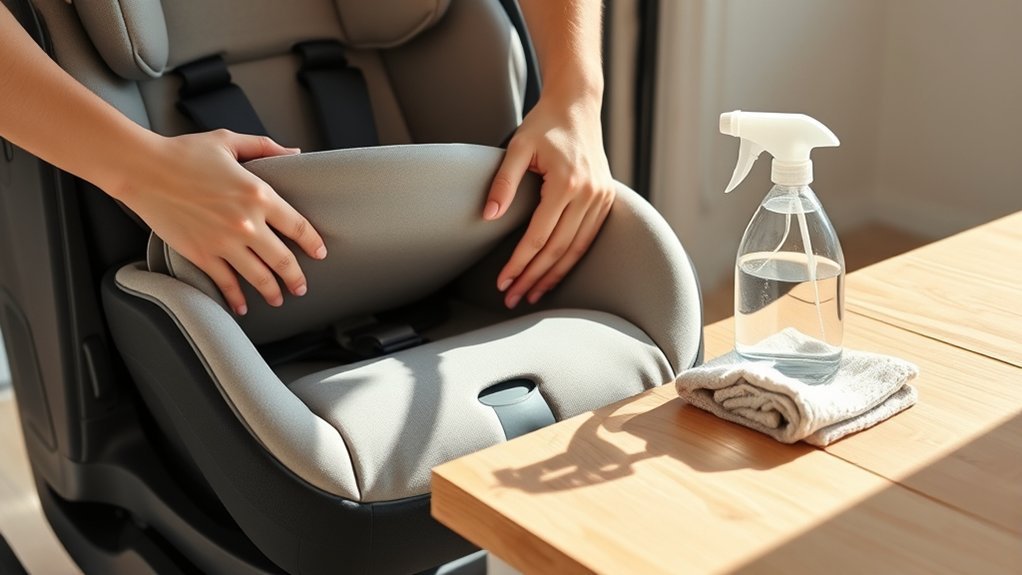
How to Clean Nuna Pipa Car Seat
To clean your Nuna Pipa car seat, start by carefully removing the fabric cover. Perform a colorfast test before washing it gently with cold water and mild detergent.
Next, wipe the shell and base with a soft cloth and mild cleaner, avoiding harsh chemicals that could damage the materials.
Clean the harnesses and buckles with mild soap and warm water, making sure they are completely dry before reassembling the seat.
Regular spot cleaning and thorough drying help prevent mold and odors.
Keep your Nuna Pipa car seat fresh and safe with these simple, safety-focused steps. Plus, learn the best maintenance and cleaning schedules to extend the life of your car seat.
How to Tell When Your Nuna Pipa Needs Cleaning
Recognizing when your Nuna Pipa car seat needs cleaning is essential for maintaining both safety and hygiene. You’ll notice dirt, crumbs, or spills that can interfere with the seat’s sensor integration, potentially affecting its performance.
Pay close attention to any sticky residue or stains on the fabric and buckle areas, as these can compromise safety features. If the sensors detect debris, it may trigger false alerts or fail to operate correctly.
Ignoring these signs can lead to warranty implications, as damage from neglect or improper cleaning might void coverage. Regular inspection helps you catch these issues early, ensuring the car seat functions as intended and stays within warranty guidelines.
Always prioritize thorough cleaning when you observe dirt buildup or sensor-related warnings.
What You Need to Clean Your Nuna Pipa Car Seat
Once you spot dirt, sticky residues, or sensor warnings on your Nuna Pipa car seat, having the right cleaning supplies ready will make the process efficient and safe. You’ll need a mild, baby-safe detergent to avoid damaging the fabric or sensors.
Keep a soft brush or microfiber cloth on hand for gentle scrubbing. For sanitizing, especially around areas exposed to food or spills, use a baby-safe disinfectant that aligns with bottle sanitizing standards to ensure no harsh chemicals remain.
Don’t forget a small vacuum or handheld cleaner to remove crumbs without disturbing diaper bag organization. Keeping your supplies organized in your diaper bag ensures you’re always prepared for quick cleanups, maintaining your Nuna Pipa’s safety and hygiene without hassle or risk to its components.
How to Remove and Wash the Fabric Cover Safely
Anyone looking to keep their Nuna Pipa car seat in top condition should start by carefully removing the fabric cover before washing. First, detach the cover by unfastening snaps and straps, following the manufacturer’s instructions to avoid damaging delicate parts.
Before washing, perform a colorfast test by dabbing a damp cloth on a hidden section to ensure colors won’t bleed. Use cold water and a gentle detergent suitable for microfiber care to preserve the fabric’s softness and durability. Avoid bleach or harsh chemicals that can degrade fibers.
Wash the cover on a gentle cycle, then air dry it away from direct sunlight to prevent shrinking or fading. Properly handling the fabric cover ensures your Nuna Pipa remains clean and safe for your child.
How to Clean the Harness and Buckles Without Damage
You’ll want to clean the harness and buckles carefully to keep them functioning properly and safe. Use only mild soap and water, avoiding harsh chemicals that can damage the materials.
Focus on removing dirt and debris while ensuring the buckles are fully rinsed and dry before reassembling.
Harness Cleaning Best Practices
Cleaning the harness and buckles of your Nuna Pipa car seat requires careful attention to avoid compromising their safety and functionality. Always use mild soap and warm water to clean the harness straps. Avoid harsh chemicals or soaking, as these can weaken the fibers.
Gently scrub with a soft cloth or sponge, then air dry away from direct sunlight or heat sources. When cleaning buckles, use a damp cloth and avoid submerging them, which can cause malfunction.
Resist the urge to explore unrelated topics like machine washing or using bleach, as these tangential ideas may seem helpful but actually damage the harness. Remember, maintaining the integrity of the harness ensures your child’s safety, so stick to these best practices and avoid shortcuts that could lead to wear or failure.
Buckle Maintenance Tips
Maintaining the buckles on your Nuna Pipa car seat is just as important as caring for the harness straps. Proper buckle maintenance ensures the fastening tension remains secure, protecting your child during every ride.
To clean the harness and buckles without damage:
- Use a damp cloth to wipe away dirt and debris from the buckle mechanism. Avoid submerging buckles in water.
- Check that no crumbs or sticky residue interfere with buckle operation. Gently dislodge debris with a soft brush if needed.
- After cleaning, test the buckle by fastening and unfastening it multiple times to confirm smooth operation and proper fastening tension.
Safe Cleaning Solutions
A careful choice of cleaning solutions is essential to preserve the integrity of the harness and buckles on your Nuna Pipa car seat. Avoid harsh chemicals or bleach, as they can cause dye migration or sound staining, damaging the fabric and compromising safety.
Use a mild soap mixed with warm water for spot cleaning. Gently scrub with a soft cloth or toothbrush to remove dirt without soaking the harness straps, which can weaken fibers.
For buckles, rinse under running water to clear debris, avoiding lubricants or solvents that can impair functionality. Always air dry thoroughly before reassembling.
How to Wipe Down the Car Seat Shell and Base
Start by detaching the car seat shell and base from your vehicle to access all surfaces easily. Use a soft cloth dampened with a mild, non-toxic cleaner to wipe down the shell and base thoroughly. Focus on removing dirt, grime, and any sticky residue without soaking the material.
Pay special attention to crevices and seams where crumbs accumulate, harness slots to maintain fabric colorfastness, and plastic surfaces to avoid damaging finishes.
Avoid harsh chemicals that could affect the integrity of the shell or base. After wiping, allow the components to air dry completely in a well-ventilated area, promoting tide free drying to prevent mold or mildew. This careful approach ensures your Nuna Pipa remains safe, clean, and durable for continued use.
How to Dry and Reassemble Your Nuna Pipa Car Seat
After cleaning, make sure you dry each part of your Nuna Pipa car seat thoroughly to prevent mold and odors. Follow a step-by-step process to reassemble the seat correctly, ensuring every component clicks into place securely.
Finally, perform a safety check to confirm the seat is fully functional and ready for use.
Proper Drying Techniques
Where should you dry your Nuna Pipa car seat components to guarantee longevity and safety? Always opt for a well-ventilated, shaded area to prevent fabric degradation and maintain fiber optic sensors’ integrity. Direct sunlight can weaken materials and cause fading, compromising safety.
For optimal drying: Lay fabric parts flat on a clean, dry towel, turning occasionally to ensure even drying and prevent mildew. Hang straps and removable components to air dry, avoiding heat sources that could damage synthetic fibers.
Maintain allergy awareness by ensuring the drying space is free from dust and pet dander, reducing irritants trapped in the fabric.
Proper drying preserves your car seat’s performance and extends its lifespan, ensuring your child’s safety isn’t compromised by moisture-related issues or material wear.
Reassembly Step-by-Step
Ensuring all components of your Nuna Pipa car seat are completely dry sets the foundation for a safe and secure reassembly. Begin by inspecting each part for any dust accumulation, which can affect the seat’s function.
Start reassembly by aligning the seat cover and padding, then carefully reconnect the harness straps, ensuring they are untwisted and properly seated. Next, reattach any hardware you removed during hardware disassembly, including screws, clips, and buckles, tightening them firmly but without over-tightening.
Double-check that all parts click or lock into place as intended. Take your time with each step to avoid missing any critical connections. By following this methodical, step-by-step process, you’ll restore your Nuna Pipa car seat to its optimal condition, ready for safe use.
Safety Check Tips
Before you reassemble your Nuna Pipa car seat, make sure every component is thoroughly dry to prevent mold and mildew growth. This step is crucial for your child’s safety and the seat’s longevity. Once dry, inspect each part carefully to ensure proper functionality and fit.
Keep these safety check tips in mind:
- Verify that all straps and buckles are free of damage and thread correctly through the seat.
- Confirm the shell and base align perfectly, locking securely without gaps.
- Organize your storage space and travel accessories to keep cleaning tools and spare parts accessible and orderly.
Following these steps ensures your Nuna Pipa car seat remains safe, clean, and ready for use after every cleaning session.
Simple Maintenance Tips to Keep Your Nuna Pipa Fresh
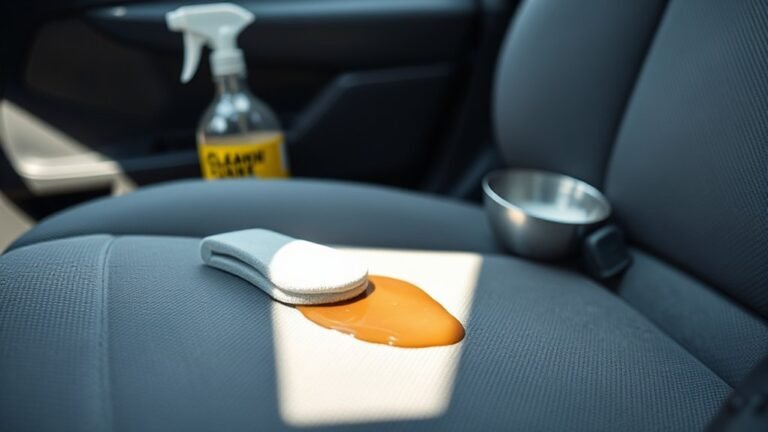
How often should you clean your Nuna Pipa to keep it looking and functioning like new? Aim for a weekly wipe-down, especially if your little one’s prone to messes like strawberry jam.
Use a damp cloth with mild soap to quickly remove sticky residues before they set. Regularly vacuum the crevices to prevent crumbs from accumulating, which helps maintain hygiene and extends fabric life.
Wipe sticky spots with mild soap and vacuum crevices regularly to keep your Nuna Pipa clean and fresh.
After cleaning, let it air dry completely to avoid mold or odors. You can also spot-clean stains promptly to avoid deep-set marks.
Staying consistent with these simple steps keeps your Nuna Pipa fresh and ready for every outing. Think of it like checking movie reviews before a night out; it’s a small effort that ensures an enjoyable experience every time.
What to Avoid When Cleaning to Protect Safety Features
When cleaning your Nuna Pipa, don’t use harsh chemicals that can weaken its safety components. Avoid soaking the seat or straps with too much water, as moisture can compromise their strength.
Always keep the harness straps dry to maintain their protective integrity.
Harsh Chemicals Damage Integrity
Why should you avoid harsh chemicals when cleaning your Nuna Pipa car seat? Harsh chemicals can compromise the seat’s safety and durability. They break down the fabric protection, weaken stitching, and degrade essential materials, risking your child’s safety.
To maintain the integrity of your car seat, steer clear of:
- Bleach or ammonia-based cleaners, which erode fabric fibers and weaken harness materials
- Strong solvents that can damage plastic components and safety labels
- Abrasive scrubbing agents that wear down the protective coating and stitching
Using gentle, manufacturer-recommended cleaning products preserves the fabric protection and ensures all safety features remain fully functional. Avoiding harsh chemicals is critical to keeping your Nuna Pipa car seat safe, reliable, and effective for your child’s protection.
Avoid Excessive Water Exposure
Where should you draw the line with water when cleaning your Nuna Pipa car seat? Excessive water exposure can compromise the seat’s safety features, so you need to be cautious. Avoid soaking the fabric or foam, as this can lead to long-term moisture retention and degrade the materials designed to protect your child.
Instead, focus on targeted soil exposure removal using a damp cloth rather than saturating the entire seat. Maintaining strict moisture control prevents mold growth and preserves the integrity of the car seat’s structure.
Keep Straps Dry
Limiting moisture on the Nuna Pipa’s fabric is just part of protecting its safety features; keeping the straps dry is equally important. Straps are critical for restraint, and exposure to harsh chemicals or excessive water can weaken their integrity, reducing their protective function.
When cleaning, make sure you:
- Avoid soaking the straps in water or cleaning solutions.
- Never use harsh chemicals or bleach on the straps.
- Spot clean only with a damp cloth and mild soap if necessary.
How Often Should You Clean Your Nuna Pipa Car Seat?
How often should you clean your Nuna Pipa car seat to keep it safe and hygienic? Regular cleaning is essential. Aim to wash the seat cover and removable parts every one to two months, or immediately after spills and messes.
Clean your Nuna Pipa seat cover every 1-2 months or right after any spills to keep it safe and hygienic.
Don’t let unused topics like infrequent cleaning myths or unrelated concerns about over-cleaning distract you; focus on actual use and visible dirt. Straps and buckles need spot cleaning as needed, avoiding saturation to maintain safety.
Frequent cleaning prevents buildup of bacteria, allergens, and odors, ensuring your child’s environment stays healthy. If your baby has sensitive skin or allergies, you might clean more often.
Ultimately, scheduling routine cleanings based on use and spills keeps the Nuna Pipa both fresh and safe without unnecessary effort.
Troubleshooting Common Nuna Pipa Cleaning Challenges
What should you do when stains won’t come out or straps feel stiff after cleaning your Nuna Pipa car seat? First, reconsider your cleaning agents. Harsh chemicals might cause residue or fabric damage. Instead, try gentle, baby-safe detergents with warm water. If stains persist, spot treat with a mixture of baking soda and water, letting it sit before rinsing.
Address stiff straps by avoiding fabric softeners that reduce strap strength. Gently hand-wash straps separately to preserve flexibility. Air-dry straps flat, away from direct sunlight or heat.
Frequently Asked Questions
Can I Use a Steam Cleaner on My Nuna Pipa Car Seat?
You shouldn’t use a steam cleaner on your Nuna Pipa car seat because high heat risks damaging the fabric and safety padding.
Instead, opt for gentle cleaning and spot treatment methods to maintain the seat’s integrity and longevity.
Are There Specific Cleaning Products Nuna Recommends?
You want specific cleaner, non-toxic solutions, and products that protect durable fabrics. Nuna recommends gentle detergents free from harsh chemicals to maintain fabric integrity and keep your car seat safe, clean, and long-lasting without compromising baby’s health.
How Do I Store the Nuna Pipa When Not in Use?
You store your Nuna Pipa in a cool, dry place to prevent mold and odors. Before storing, ensure stain removal and odor control are complete by cleaning thoroughly. Then cover it to keep dust and moisture away.
Can I Clean the Car Seat While It Is Still Installed in the Car?
Yes, you can clean the Nuna Pipa while it’s installed, but be cautious. Use gentle cleaning tools to avoid disrupting the car seat installation.
Spot clean fabric and wipe plastic parts carefully to maintain safety and cleanliness.
Does Cleaning Affect the Car Seat’s Warranty?
Did you know 70% of warranty claims fail due to improper care? Your cleaning methods directly impact warranty.
Use only Nuna-approved products and follow instructions precisely, or the warranty might be voided, so keep care detailed and compliant.
Conclusion
Keeping your Nuna Pipa car seat clean isn’t just about appearance—it’s about safety. Did you know that bacteria and allergens can build up on car seats in as little as two weeks? Regular cleaning helps prevent this buildup.
By cleaning the fabric, harness, and shell regularly, you ensure your child rides in a hygienic and secure environment. Always follow the manufacturer’s guidelines and avoid using harsh chemicals that could damage the materials.
Maintain a cleaning routine every 1-2 months to keep your Nuna Pipa fresh and fully functional. Proper care and cleaning are essential for the longevity and safety of your Nuna Pipa car seat.