How to Choose a Car Seat
To choose a car seat, start by matching the seat type—rear-facing, forward-facing, or booster—to your child’s size, not just age. This ensures the best fit and safety for your child. Look for essential safety features like a secure 5-point harness and side-impact protection.
Check that the car seat fits well in your vehicle and is easy to install correctly. Clear instructions and compatible anchors are important for proper installation.
Consider comfort, ease of cleaning, and adjustability for your growing child. Keep safety your top priority as you explore options that suit your lifestyle and vehicle needs.
Understand Different Car Seat Types and Uses
When choosing a car seat, you need to understand the main types available and their specific uses to ensure your child’s safety. There are primarily three types: rear-facing, forward-facing, and booster seats, each designed for different stages of your child’s development.
Pay attention to car seat materials, as durable, easy-to-clean fabrics improve comfort and hygiene. You’ll also find various color options, allowing you to select a seat that fits your vehicle’s interior or your personal style.
However, safety certifications and proper fit should always take priority over aesthetics. Knowing these distinctions helps you make an informed choice, guaranteeing your child stays secure during every trip. Remember, the right type and quality materials in a car seat are key to effective protection.
Find the Right Car Seat for Your Child’s Age and Size
Understanding the different types of car seats is just the starting point; selecting the right seat depends heavily on your child’s age and size. You need to choose an age appropriate seat that fits your child’s current developmental stage.
For infants, rear-facing seats provide optimal protection. As your child grows, transition to forward-facing seats with harnesses, then booster seats, always following size based guidelines like height and weight limits.
Don’t rely solely on age; a seat’s fit depends on your child’s size to ensure proper restraint and comfort. Check the manufacturer’s specifications carefully and adjust the harness and headrest to match your child’s measurements.
Spot Essential Car Seat Safety Features
You’ll want to check the harness system type to ensure it fits your child securely and adjusts easily.
Look for side-impact protection to help shield your child during a collision. Also, pay attention to installation indicators that confirm the seat is correctly and safely installed.
Harness System Types
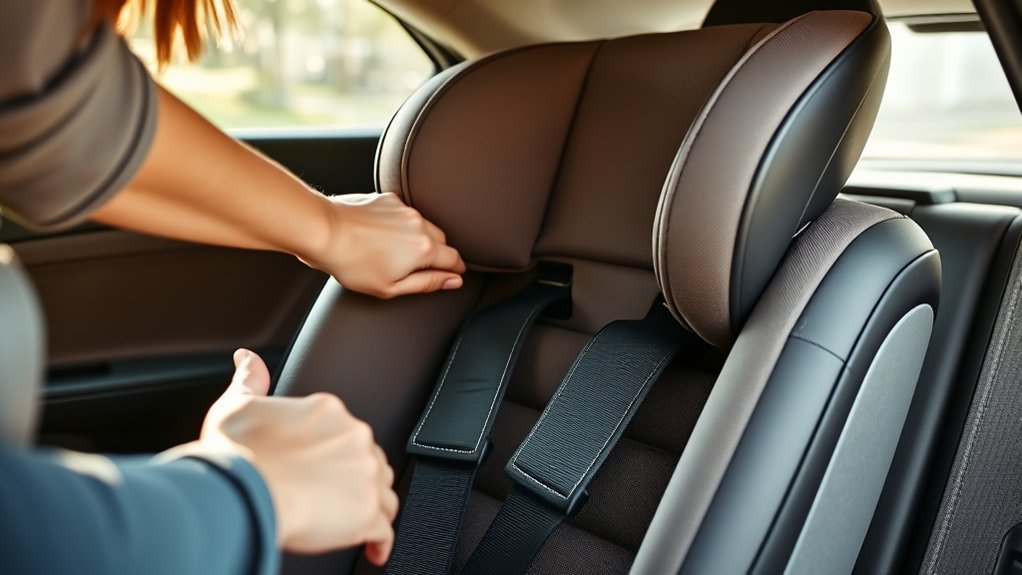
The harness system plays a critical role in securing your child safely in a car seat. Harness systems come mainly in 5-point or 3-point designs, with 5-point harnesses offering superior restraint by securing shoulders, hips, and between the legs.
When choosing, consider how the car seat installs: base vs. seatbelt installation. Seats with a base often provide easier, more secure installation using LATCH connectors, reducing the risk of incorrect setup. In contrast, seatbelt installation requires threading the vehicle’s seatbelt through the car seat, which may vary by vehicle and demands careful tightening.
Whichever harness system or installation method you pick, ensure it fits your vehicle well and allows you to tighten straps snugly. Proper harness fit and secure installation work together to maximize your child’s safety on every trip.
Side-Impact Protection
How can you better protect your child during a side collision? Choosing a car seat with strong side-impact protection is key. Side-impact crashes pose a serious risk because the vehicle’s side offers less space to absorb energy.
Look for seats designed with reinforced side wings and energy-absorbing foam that cushion your child’s head, neck, and torso. Check crash test ratings from trusted organizations to see how well a seat performs during side-impact scenarios.
These tests reveal how effectively the seat reduces injury risk by minimizing movement and absorbing impact forces. By prioritizing side-impact protection, you’re giving your child an extra layer of defense in real-world crashes, enhancing safety beyond the basic harness system.
Don’t overlook this critical feature when making your decision.
Installation Indicators
While side-impact protection shields your child during a crash, proper installation guarantees the car seat performs as designed. Installation indicators play a crucial role in this process by confirming when the seat is securely fastened.
These visual or audible signals help you avoid common mistakes, giving you confidence that the seat won’t shift during travel. Pay close attention to car seat warnings, as they often highlight incorrect installation or positioning, preventing potential hazards.
Ignoring these warnings can compromise your child’s safety. Always consult your car seat manual to understand the specific installation indicators your model offers. By relying on these essential features, you ensure your child’s seat is correctly secured every time you drive, maximizing protection and peace of mind.
Ensure Your Car Seat Fits Your Vehicle Properly
You’ll want to measure your vehicle’s seat dimensions to ensure the car seat fits securely without gaps. Check that the car seat is compatible with your vehicle’s LATCH anchors or seat belt system for proper installation.
A snug, stable fit is key to keeping your child safe on every ride.
Measure Vehicle Seat Dimensions
Where exactly should you start when ensuring your car seat fits your vehicle properly? Begin by measuring your vehicle’s seat dimensions carefully. Focus on the width, depth, and height of the seat to guarantee measurements accuracy.
Don’t forget to consider the seat cushion firmness, as a softer cushion may compress under the car seat’s weight, affecting fit and stability. Use a tape measure to get precise numbers, noting any contours or slopes on the seat surface that could impact installation.
Accurate measurements help you choose a car seat that sits securely without shifting, ensuring maximum safety. Taking this step seriously prevents compatibility issues and promotes proper restraint performance, keeping your child safer during every ride.
Check Compatibility With Anchors
How do you ensure your car seat anchors match your vehicle’s system? Checking compatibility anchors is crucial for safety and proper installation. Not all car seats fit every vehicle’s anchor setup. To confirm anchor compatibility, follow these steps:
Consult your vehicle’s owner manual for anchor locations and types. Verify that the car seat’s connectors align with your vehicle’s anchors. Look for labels or instructions specifying compatible anchor types. Test-fit the car seat to ensure a secure, tight connection without excessive movement.
Ensuring anchor compatibility prevents installation errors that could compromise your child’s safety. Take the time to confirm that your car seat’s compatibility anchors match your vehicle’s system before making a purchase or installation. This step guarantees a secure fit and peace of mind every time you travel.
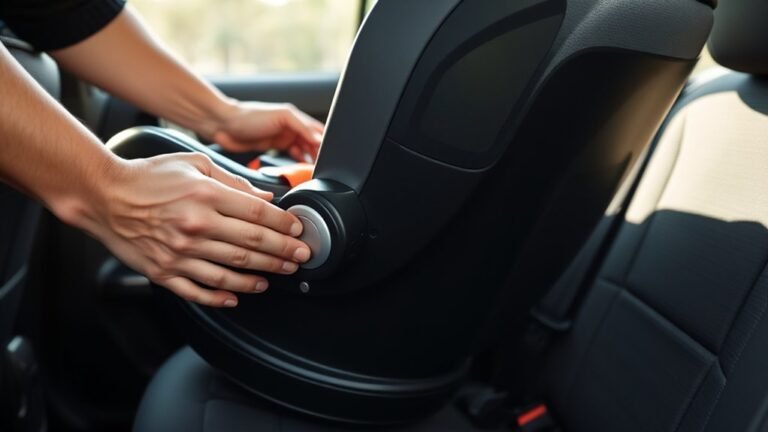
Make Installation and Daily Use Easy
What makes a car seat truly convenient is its ease of installation and daily use. You want a seat that’s straightforward to secure correctly every time, reducing the risk of errors that compromise safety. Look for clear instructions and intuitive features like color-coded belt paths or LATCH connectors.
Choosing an age-appropriate car seat ensures it fits your child properly, enhancing both comfort and protection. If you travel frequently, prioritize a travel-friendly model that is lightweight, compact, and easy to move between vehicles.
Also, consider seats with removable covers for simple cleaning. By focusing on ease of installation and daily use, you’ll ensure your child’s seat remains secure and comfortable, making every trip safer and less stressful for you and your family.
Pick a Car Seat That Matches Your Lifestyle
Although safety is paramount, choosing a car seat that fits your daily routine and lifestyle guarantees consistent use and convenience. Prioritize lifestyle compatibility to ensure the seat suits your vehicle type, travel habits, and child’s age.
Aligning the car seat with daily use reduces hassle, encouraging regular and correct installation.
Consider these factors for daily use alignment:
- Size and weight: Choose a seat easy to carry if you frequently switch vehicles.
- Adjustability: Opt for seats that grow with your child to avoid frequent replacements.
- Installation method: Select one compatible with your car’s anchors and your comfort level.
- Cleaning ease: Look for removable, machine-washable covers for busy schedules.
Compare Car Seat Prices and Warranty Options
When evaluating car seats, you’ll want to weigh both price and warranty to make a smart investment in your child’s safety. Conducting a thorough price comparison helps you find a seat that meets safety standards without overspending.
Equally important, warranty options protect your purchase against defects and give you peace of mind.
| Brand | Price Range | Warranty Options |
|---|---|---|
| SafeRide | $120 – $180 | 2 years limited |
| SecureSeat | $150 – $220 | 3 years comprehensive |
| KidGuard | $100 – $160 | 1 year limited |
| ProtectPro | $130 – $200 | 3 years comprehensive |
Review warranty details carefully to ensure coverage suits your needs alongside price comparison for the best value.
Know When to Replace Your Car Seat
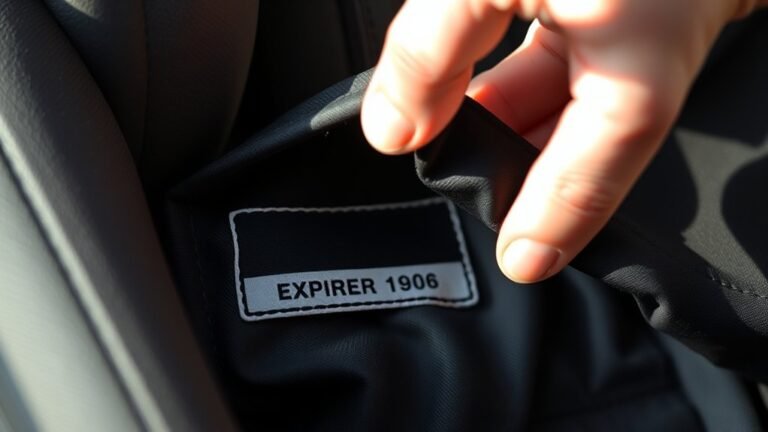
Every car seat has a lifespan, and using it beyond that period can compromise your child’s safety. You should replace your car seat when it shows signs of wear or after a certain number of years, typically 6 to 10, depending on the manufacturer.
Keep an eye on these key factors:
- Expired warranty coverage, which often signals the end of safe use.
- Damage to the frame or harness that can’t be fixed.
- Tears or wear in the replaceable fabric that affect safety or comfort.
- History of car accidents involving the seat, even minor ones.
Read Reviews and Get Trusted Car Seat Recommendations
A reliable car seat recommendation can make your search much easier and safer. To ensure you choose the best option, start by reading reviews and recommendations from verified users and safety experts. These insights highlight real-world performance, ease of installation, and durability.
Focus on trusted brands known for rigorous safety testing and compliance with current standards. Avoid choices lacking transparent safety data or positive feedback. Additionally, check for recalls or safety alerts related to specific models.
Combining expert advice with honest customer experiences helps you select a car seat that offers maximum protection and comfort for your child. Remember, investing time in research now can prevent costly mistakes and keep your little one secure every time you hit the road.
Frequently Asked Questions
Can I Use a Car Seat on an Airplane?
Yes, you can use a car seat on an airplane if it’s FAA-approved for airplane safety.
Always check car seat compatibility with the airline before flying to ensure proper installation and maximize your child’s protection during travel.
How Do I Clean and Maintain My Car Seat?
Don’t let your car seat get “too cozy” with dirt. Use a gentle cleaning method, like mild soap and water, for stain removal.
Regularly inspect straps and buckles to keep safety top-notch and your seat fresh.
Are There Car Seats Designed for Children With Special Needs?
Yes, you’ll find car seats designed for children with special needs that prioritize car seat accessibility and include specialized harnesses. These features ensure a secure, comfortable fit while maintaining the highest safety standards during travel.
Can I Transfer a Car Seat Between Multiple Vehicles?
Switching a car seat between vehicles is like fitting puzzle pieces—you can, but only if car seat compatibility and vehicle installation challenges align. Always double-check each vehicle’s manual to guarantee a secure, safety-first installation every time.
What Should I Do if My Car Seat Is Involved in an Accident?
If your car seat’s involved in an accident, you should perform a thorough accident inspection. Even minor impacts can damage it, so always opt for post crash replacement to ensure your child’s safety isn’t compromised.
Conclusion
Choosing the right car seat means prioritizing safety and ease for your child and you. Imagine Sarah, who switched to a convertible seat matching her toddler’s size and vehicle, making every trip safer and stress-free. By understanding types, fitting your car, and checking safety features, you protect your child effectively.
Always replace old seats and read trusted reviews to stay informed. Your careful choice today ensures your child’s safety every mile of the way. Choosing the right car seat is essential for peace of mind and protection on every journey.