How Do I Find Expiration Date on Car Seat
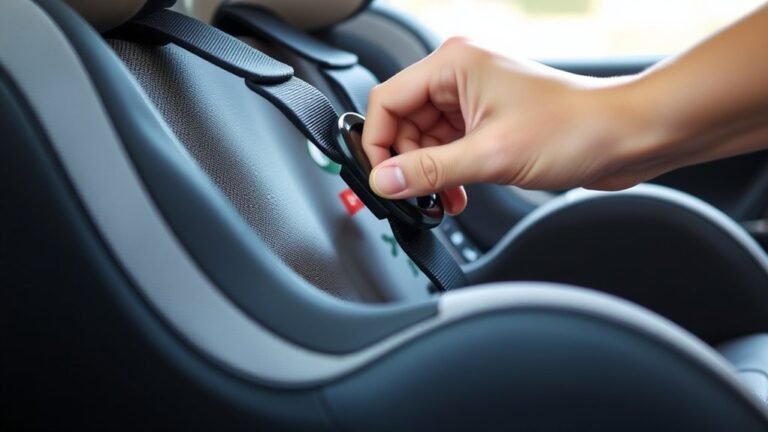
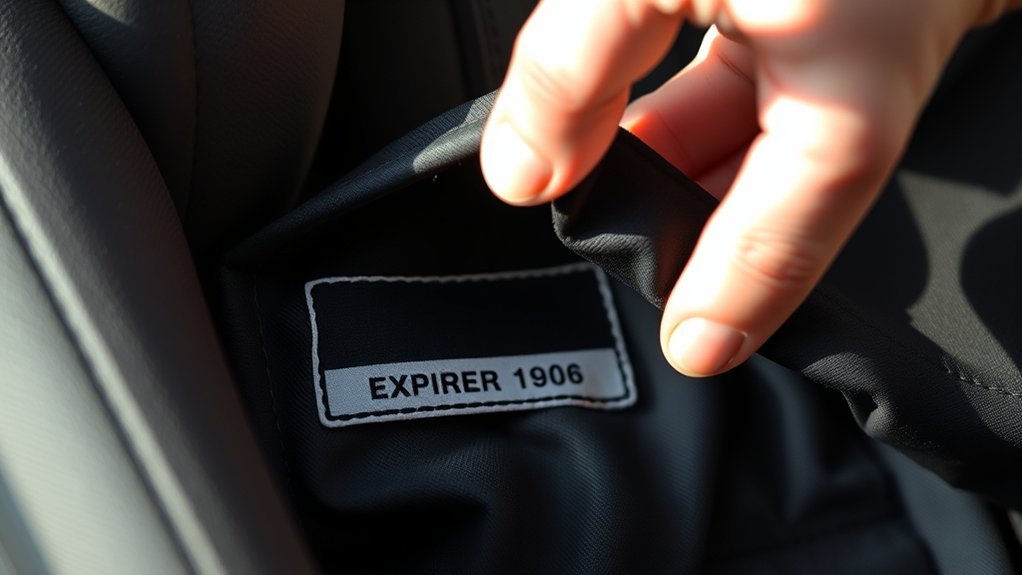
You can find your car seat’s expiration date on a label or molded imprint on the plastic shell, usually at the bottom, near the belt path, or on the back. Sometimes, it’s inside the instruction manual or sewn into the fabric.
Look for formats like MM/DD/YYYY or “EXP” followed by a date. If you don’t spot it, check beneath cushions or contact the manufacturer with your model number.
Understanding these details helps assure your child’s safety on every trip.
Why Car Seat Expiration Dates Matter
Although it might seem like just another sticker, the expiration date on your car seat plays an essential role in keeping your child safe. Manufacturers set expiration guidelines based on materials’ wear and evolving safety standards.
The expiration date on your car seat is crucial for ensuring your child’s safety as materials wear and standards evolve.
Over time, the plastic components can degrade, making the seat less effective in a crash. Labeling practices ensure you can easily find this crucial information, helping you avoid using outdated seats.
By following these expiration guidelines, you protect your child from potential risks associated with expired car seats. Remember, even if the seat looks fine, it might no longer provide adequate protection.
Staying aware of expiration dates lets you make informed decisions and maintain your child’s safety on every trip.
Expiration Date Locations on Car Seats
Where exactly can you find the expiration date on your car seat? Typically, manufacturers place this essential information on a sticker or molded directly into the plastic shell. Common locations include the bottom of the seat, near the belt path, or on the back of the car seat.
Sometimes, you might spot it inside the manual or on a label sewn into the fabric. Don’t get distracted by irrelevant topics like unrelated labels or random idea notes stuck elsewhere on the seat. They won’t help you find the expiration date.
Focus on these standard spots to quickly locate the date. Knowing where to look guarantees you can confidently verify your car seat’s safety without confusion or guesswork.
How to Read Your Car Seat’s Expiration Date
First, find the expiration label, usually located on the side or bottom of your car seat. Next, pay attention to how the date is formatted. Manufacturers often use month and year or a specific expiration period from the manufacture date.
Finally, consult the manufacturer’s guidelines to confirm how to interpret the date and ensure your seat is still safe to use.
Locate The Expiration Label
How can you quickly determine if your car seat is still safe to use? The key is to locate the expiration label, which is usually found on the back or bottom of the seat. This label contains essential information, including the expiration date, model number, and manufacturing details.
Don’t confuse this with unrelated topics like random pairing of labels or stickers that might be on the seat for other purposes. They aren’t related to safety or expiration.
Once you find the label, you’ll see a clear date indicating when the seat should no longer be used. Checking this label regularly ensures your child’s safety and helps you avoid using an expired seat, which could compromise protection in a crash.
Understand Date Format
When you find the expiration label on your car seat, you might wonder what the date format means. It’s important to focus solely on the expiration date itself and not get distracted by irrelevant topics or unrelated concerns like production codes or batch numbers.
Here’s how you can understand the date format clearly:
- Look for a date written as MM/DD/YYYY or MM-YY.
- The first part usually indicates the month, followed by the day or year.
- Some manufacturers use a year-month-day sequence, so check your car seat’s manual if unsure.
- Ignore any extra numbers or letters that don’t pertain to the expiration date.
Understanding this format helps you ensure your child’s safety without confusion or doubt.
Check Manufacturer Guidelines
Why does the manufacturer’s guideline matter so much for reading your car seat’s expiration date? Because each brand sets specific standards for how long their car seats remain safe and reliable.
Checking these guidelines ensures you interpret the expiration date correctly and avoid relying on expired labels, which can sometimes be inaccurate or damaged. Manufacturers often provide detailed instructions on where to find the expiration date, usually on a sticker or molded into the seat, and how to read it.
How Long Do Car Seat Expiration Dates Last?
Because car seat materials degrade over time, manufacturers set expiration dates to ensure your child’s safety. Typically, these dates last between 6 to 10 years from the manufacture date. Knowing this helps you avoid off topic distractions like unrelated topic debates on car seat usage or installation.
Here’s what you should keep in mind:
- Check the label or molded date on the car seat for exact info.
- Remember, the expiration countdown starts from the manufacture date, not the purchase date.
- Different brands and models vary, so always verify each seat individually.
- Expiration ensures the seat’s materials and safety features remain effective throughout its lifespan.
Understanding this timeline keeps you focused on safety without veering into unrelated topic territory.
What Happens If You Use an Expired Car Seat?
How does using an expired car seat affect your child’s safety? Using an expired car seat can compromise protection due to worn materials, outdated safety standards, and an increased risk of faulty installation. You might also miss important expired recall notices, which could put your child at further risk.
| Risk Factor | Impact on Safety |
|---|---|
| Material Degradation | Reduced crash impact absorption |
| Outdated Standards | Less effective in modern crash scenarios |
| Faulty Installation | Higher chance of incorrect setup |
| Expired Recall | Misses critical safety updates or repairs |
To keep your child safe, always replace car seats past their expiration date. This ensures compliance with current regulations and avoids risks linked to expired recall or faulty installation.
Finding Hidden or Missing Car Seat Expiration Dates
Wondering where to locate the expiration date if it’s not immediately visible on your car seat? Sometimes, expiration details are tucked away in less obvious spots or use different labeling formats. Here’s how to find those hidden labels:
- Check beneath the seat cushion or padding, where labels often hide.
- Look on the car seat’s back or bottom, especially near the metal frame.
- Inspect the instruction manual or packaging for printed expiration info.
- Search for various labeling formats—dates may appear as “EXP,” “MFG,” or a series of numbers.
If you still can’t find the expiration date, contact the manufacturer with the model number. This precise approach helps you confirm your car seat’s safety timeline confidently and ensures your child’s protection.
How Major Brands Display Car Seat Expiration Dates
If you’ve checked all the usual spots and still need clarity on your car seat’s expiration, knowing where major brands place these dates can help. Brands like Graco, Britax, and Chicco use insightful branding techniques, placing expiration dates on labels attached to the seat’s base or the back.
These labels often feature clear expiration formatting, such as “EXP” followed by the month and year, making it easier for you to identify. Some brands emboss the date directly onto the plastic shell, ensuring permanence. Others include the date in the user manual or on a sticker inside a storage pocket.
Can You Safely Extend Your Car Seat’s Expiration Date?
Can you trust a car seat beyond its printed expiration date? Generally, you shouldn’t. Car seat expiration policies exist because materials degrade over time, compromising safety. The expiration date, usually found on a label inside the seat or on the base, reflects manufacturer testing and government standards.
Car seat expiration dates are critical as materials degrade over time, affecting safety and compliance with standards.
Here’s why you shouldn’t extend it:
- Wear and tear weaken structural integrity.
- Safety technology evolves; expired seats lack updates.
- Manufacturer warranties and liability end at expiration.
- Expired seats may not meet current crash test standards.
Sticking to expiration policies ensures your child’s protection. If you’re unsure where to find the label or details, consult your car seat manual or manufacturer website for precise guidance.
When to Replace Your Car Seat Early
If you notice any signs of damage on your car seat, like cracks or frayed straps, it’s time to replace it right away. Also, stay updated on safety recall alerts, as they can affect your seat’s reliability.
Taking these steps guarantees your child’s protection without waiting for the expiration date.
Signs of Damage
How do you know when your car seat needs to be replaced before its expiration date? Even if the label isn’t expired, damage can compromise safety. Always inspect your seat carefully for signs that it no longer meets current safety standards.
Look out for:
- Cracks or breaks in the plastic shell
- Frayed, torn, or missing straps and buckles
- Mold, mildew, or water damage on padding
- Loose or missing parts that affect stability
If you spot any of these issues, replace the car seat immediately. Using a damaged seat, even if the expired labels haven’t appeared, puts your child at risk. Prioritize safety by regularly checking your seat and acting promptly when damage is evident.
Safety Recall Alerts
When should you replace your car seat before its expiration date? One key reason is safety recalls. Manufacturers issue safety recalls if a defect or hazard is discovered that could compromise your child’s protection.
These recalls often require immediate action, including replacing or repairing the car seat. To stay informed, regularly check for safety recalls related to your car seat model through the manufacturer’s website or government databases.
Labeling standards on the car seat can help you identify the model and manufacture date, which are essential when verifying recall information. Don’t ignore recall alerts; acting promptly ensures your child’s safety isn’t compromised.
Even if your seat hasn’t expired, recalls can mean it’s time to replace your car seat early for peace of mind.
Frequently Asked Questions
How Do Temperature Changes Affect Car Seat Materials Over Time?
You’ll find temperature changes cause temperature degradation, accelerating material aging in car seats. This weakens plastic and fabric, so regularly check for cracks or wear to guarantee your seat stays safe and reliable over time.
Are There Legal Penalties for Using an Expired Car Seat?
Using an expired date car seat is like driving blindfolded—risky and illegal in some places. You could face safety penalties, including fines.
Always check your seat’s expiration to protect your child and avoid legal trouble.
Can Car Seat Expiration Dates Vary by Country or Region?
Yes, car seat expiration dates can vary by country due to regional variations in safety standards and expired labeling practices. You should always check your specific region’s guidelines to ensure your car seat remains safe and compliant.
How Should I Dispose of an Expired Car Seat Safely?
Like turning the page in a book, you should cut the straps and remove padding for safe disposal. Then recycle parts if possible to minimize environmental impact.
Check local guidelines to dispose of your expired car seat responsibly.
Do Used Car Seats From Friends or Family Carry the Same Risks?
Used car seats from friends or family carry similar risks if expired or damaged. Don’t let unrelated topics or irrelevant concerns distract you. Always check the seat’s condition and expiration date before use to ensure safety.
Conclusion
Knowing where and how to find your car seat’s expiration date isn’t just a nice-to-have—it’s essential for your child’s safety. Don’t cut corners by using an expired seat, as its effectiveness can fade over time.
If the date’s missing, dig a little deeper; it’s better to be safe than sorry. Check labels on the seat’s underside, back, or sides, and consult the car seat manual if needed.
Remember, when it comes to car seats, playing it by the book ensures your little one’s protection is never left up in the air. Always find expiration date on car seat to keep your child safe.