Can You Wash Car Seat Covers
Yes, you can wash car seat covers, but how you do it depends on the material and whether you remove them. Fabric covers may be machine washed on a gentle cycle if the label allows, while leather and foam-backed covers need hand cleaning. Neoprene and waterproof covers require mild detergent and lukewarm water with gentle scrubbing.
Always air dry away from direct heat or sunlight to prevent damage. Following proper care guarantees your covers stay clean and durable. There’s more to know about effective cleaning and maintenance methods.
Can You Wash Car Seat Covers?
How often should you wash car seat covers? For essential car care, you should clean them every 1 to 3 months, depending on use and exposure to dirt or spills. Washing your car seat covers regularly prevents buildup of grime, allergens, and stains, maintaining both hygiene and fabric integrity.
Before washing, check the manufacturer’s label for specific instructions to avoid damage. Use a mild detergent and cold water, preferably washing by hand or on a gentle machine cycle to preserve material quality. Proper drying is vital. Air dry to prevent shrinkage or distortion.
Incorporating these maintenance tips into your routine ensures your seat covers stay fresh and durable, ultimately extending the lifespan of your vehicle’s interior components.
Can You Wash Car Seat Covers Without Removing Them?
Is it possible to wash car seat covers without removing them? Yes, but it depends on the material and your cleaning method. If your covers are made of washable fabrics, you can clean them in place with care. Focus on stain prevention and avoiding water saturation that could damage the foam underneath.
Washing car seat covers without removal is possible with careful cleaning and attention to material type.
To do this effectively:
- Use a fabric-safe upholstery cleaner applied sparingly with a microfiber cloth.
- Employ a gentle brush to lift dirt without damaging fibers or stitching.
- Allow the seat covers to air dry fully to prevent mold or odors.
This approach helps maintain your seat covers’ integrity and appearance without the hassle of removal, but always check manufacturer guidelines to avoid unintended damage.
Removing Car Seat Covers for Easy Cleaning
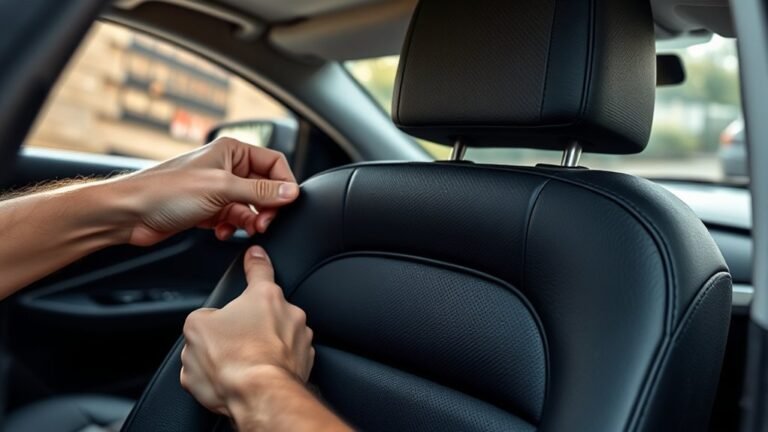
Start by locating all attachment points securing the car seat cover, including hooks, clips, and Velcro tabs. Carefully detach the cover to avoid damaging zippers and fasteners, ensuring you unzip or unfasten them fully before removal.
Handling these components properly will make the cleaning process smoother and help maintain the cover’s fit.
Locating Attachment Points
Where exactly are the attachment points securing your car seat covers? Locating points is crucial before removal to avoid damage. These points vary by car model and cover type, so carefully inspect all edges and seams.
Common attachment methods include:
- Elastic straps with hooks or loops: Often found underneath the seat, these secure covers tightly.
- Velcro strips: Usually placed between seat cushions or along the sides for easy fastening.
- Plastic or metal clips: Inserted into seat crevices or mounting holes, providing a firm hold.
Detaching Covers Carefully
To detach your car seat covers without causing damage, carefully release each attachment point you previously located. Work methodically, loosening clips, hooks, or Velcro without forcing them.
Once removed, inspect the covers for stains and consider stain pre-treatment before washing. Use a mild detergent selection tailored to your cover’s fabric type to avoid fading or shrinkage. Avoid harsh chemicals that could degrade material.
Handle the fabric gently to maintain its integrity during removal. Keep track of all detachment points to ensure smooth reassembly.
Removing covers carefully not only preserves their fit but also prepares them for effective cleaning, enhancing stain removal and extending their lifespan. Proper detachment is the essential first step for thorough, safe maintenance.
Handling Zippers And Fasteners
How you handle zippers and fasteners substantially affects the ease and safety of removing your car seat covers. To meet your reminder objectives and ensure you follow proper safety steps, approach these components methodically.
First, inspect each zipper and fastener for damage or stiffness to avoid ripping the fabric. Then, unzip or unfasten slowly, avoiding force that could break clips or tear material. Lastly, keep track of all detached parts to facilitate reinstallation.
- Use a flathead screwdriver or plastic tool to gently pry stubborn fasteners.
- Avoid pulling fabric near zippers to prevent distortion.
- Document zipper orientation for correct reattachment.
Can You Machine Wash Car Seat Covers?
When can you safely machine wash car seat covers? You can machine wash them if the manufacturer’s label explicitly states it’s safe. Most fabric covers with removable zippers withstand gentle cycles, but leather or foam-backed covers usually don’t. Always unzip and secure fasteners before washing to prevent damage.
| Condition | Machine Wash Allowed? | Notes |
|---|---|---|
| Fabric, removable | Yes | Use gentle cycle, cold water |
| Leather or foam-backed | No | Spot clean or hand wash only |
| Covers with heavy dirt | Yes | Pre-soak or pre-treat stains |
Avoid two word discussion ideas or unrelated topics here; focus strictly on care instructions for machine washing. This ensures you protect your seat covers’ integrity while maintaining cleanliness efficiently.
How to Wash Fabric Car Seat Covers
Start by carefully removing the fabric seat covers, unfastening any clips or zippers without damaging the material.
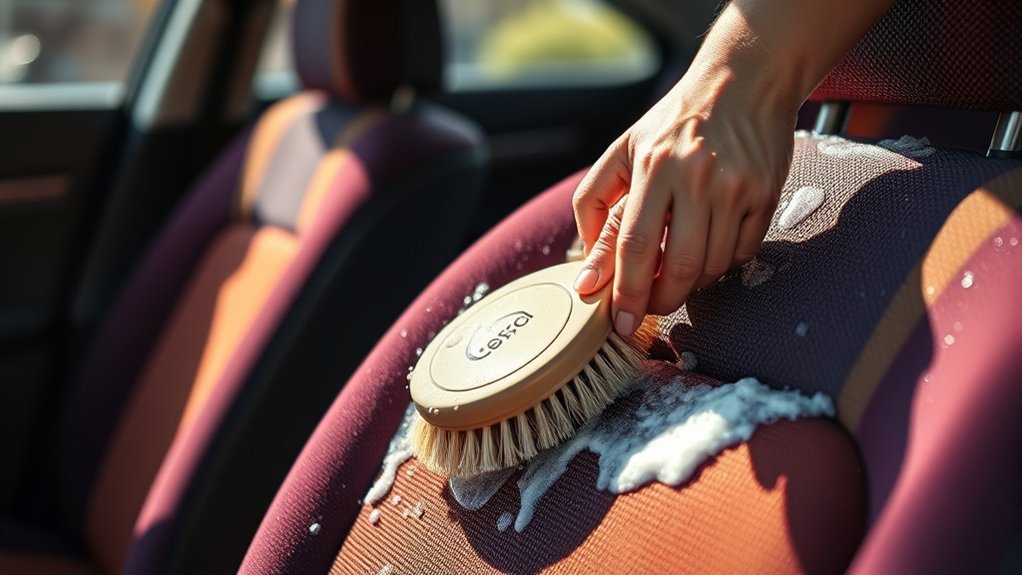
For cleaning, use a mild detergent mixed with warm water and a soft brush to scrub stains gently, avoiding harsh chemicals that can weaken fibers.
After washing, rinse thoroughly and air dry the covers to maintain their shape and durability.
Removing Fabric Seat Covers
Where do you begin with removing fabric car seat covers for cleaning? Start by examining how the covers attach to the seats, as methods vary by vehicle. Typically, you’ll need to:
Locate and undo fasteners such as zippers, Velcro strips, or snaps securing the covers. Carefully peel the fabric seat covers off the seat frame, avoiding damage to clips or stitching.
Note any areas where the fabric overlaps or tucks into crevices to ensure full removal.
Removing fabric seat covers requires patience and attention to detail to prevent tearing or misalignment during reinstallation. Always consult your vehicle’s manual for specific instructions on removing fabric seat covers, as improper removal can damage both the fabric and the seat structure.
Cleaning Methods and Tips
How should you approach washing fabric car seat covers to guarantee effective cleaning without damaging the material? First, check the manufacturer’s guidelines to avoid neglecting warranty terms. Use mild detergents and cold water to prevent color fading and fabric shrinkage. Avoid harsh chemicals or bleach.
Hand washing or gentle machine cycles minimize wear and tear. Air dry the covers; high heat from dryers can cause damage. Be cautious with DIY methods to prevent structural damage or voiding warranties.
| Step | Recommended Action | Reason |
|---|---|---|
| Pre-treat | Spot clean stains gently | Avoids fabric damage |
| Washing | Use mild detergent, cold water | Prevents fading, shrinkage |
| Drying | Air dry, avoid direct heat | Maintains fabric integrity |
How to Clean Leather Car Seat Covers Safely
Why should you handle leather car seat covers with extra care during cleaning? Leather is sensitive to harsh chemicals and excessive moisture, which can cause cracking, fading, or warping. Proper leather care is essential for maintaining your vehicle’s interior protection and longevity.
To clean leather car seat covers safely:
- Use a pH-balanced leather cleaner applied with a microfiber cloth to avoid abrasive damage.
- Gently wipe the surface without soaking, ensuring you don’t saturate the leather to prevent mold growth.
- Condition the leather afterward with a specialized leather conditioner to restore oils and maintain suppleness.
Avoid household cleaners or bleach, as they can degrade the leather’s finish and compromise your interior protection. Follow these steps to keep your leather seats looking pristine and durable.
How to Clean Neoprene and Waterproof Seat Covers
Neoprene and waterproof seat covers resist moisture and stains, but they still require regular cleaning to maintain their protective qualities. For effective neoprene care, use mild detergent and lukewarm water. Avoid harsh chemicals that degrade waterproof fabrics. Gently scrub with a soft brush to remove dirt without damaging the material. Rinse thoroughly to eliminate soap residue.
| Step | Recommended Action | Caution |
|---|---|---|
| Cleaning | Mild detergent, soft brush | Avoid bleach and solvents |
| Rinsing | Lukewarm water | Ensure no soap remains |
| Drying (preparation) | Wring gently, prepare for air drying | Don’t wring aggressively or use heat |
Following these steps preserves neoprene’s elasticity and waterproofing, ensuring long-lasting durability and protection.
Air Drying Car Seat Covers Safely
After thoroughly cleaning your car seat covers, proper drying is key to preserving their material integrity and fit. Air drying is the safest method, but you need to follow specific safety tips to avoid damage. First, avoid direct sunlight, which can degrade fabric fibers and fade colors.
Second, ensure your covers are spread out evenly to promote uniform drying and prevent mildew. Third, keep them in a well-ventilated area with moderate temperature to speed up drying without overheating the fabric.
To air dry car seat covers safely:
- Hang covers on a sturdy line or hanger to maintain shape.
- Avoid using heated dryers or direct heat sources.
- Inspect periodically for damp spots to prevent mold growth.
Following these steps ensures your covers dry efficiently and stay in optimal condition.
Spot Cleaning Stubborn Stains on Car Seat Covers
How do you effectively remove stubborn stains from car seat covers without causing damage? Start by identifying the fabric type to select a compatible cleaning agent. For spot stains, apply a small amount of mild detergent diluted in water directly onto the stain.
Identify fabric type and use mild detergent diluted in water to gently treat stubborn car seat stains.
Use a soft-bristled brush or microfiber cloth to gently agitate the area, avoiding excessive scrubbing that can harm fibers. Blot excess moisture with a clean towel and repeat if necessary.
For oil-based stains, a solvent-based cleaner designed for upholstery works best. Always test your chosen stain removal method on an inconspicuous area first to prevent discoloration.
After spot cleaning, allow the cover to air dry completely before reinstalling. This targeted approach ensures effective stain removal while preserving the integrity of your car seat covers.
Common Mistakes to Avoid When Cleaning Car Seat Covers
Why do so many attempts to clean car seat covers end up causing more harm than good? Often, it’s due to incorrect removal or relying on non cleaning methods that damage the fabric or padding. To avoid common pitfalls, keep these points in mind:
- Avoid pulling or twisting seat covers during removal; this can deform seams or cause tears.
- Refrain from using harsh chemicals or abrasive tools as non cleaning methods; they degrade material integrity.
- Don’t wash covers without checking manufacturer guidelines first; improper water temperature or detergent can shrink or discolor fabric.
Frequently Asked Questions
How Often Should Car Seat Covers Be Cleaned?
You should clean car seat covers every one to two months, adjusting based on usage and exposure to dirt.
Establish a cleaning schedule that includes vacuuming and spot treatments to maintain fabric integrity and prolong cover lifespan.
Can Car Seat Covers Prevent Allergens?
You might think car seat covers trap allergens, but they actually block allergens like dust and pollen from reaching your seats. Using hypoallergenic, tightly woven fabric enhances protection, making car seat covers a practical barrier against allergens.
Are There Eco-Friendly Cleaning Products for Seat Covers?
Yes, you can find eco friendly cleaning products specifically designed for seat covers that use biodegradable ingredients and avoid harsh chemicals. These products ensure effective stain removal while protecting fabric integrity and minimizing environmental impact during your cleaning process.
Do Car Seat Covers Affect Airbag Deployment?
You might coincidentally find that some car seat covers interfere with airbag deployment, compromising airbag safety. For proper car seat maintenance, always choose covers specifically designed to allow airbags to deploy without obstruction or delay.
Can Pet Hair Damage Car Seat Covers?
Pet hair buildup can cause abrasion over time, potentially damaging your car seat covers.
Always check material compatibility before cleaning, as some fabrics react poorly to certain brushes or vacuums, ensuring you protect your covers effectively.
Conclusion
You can definitely wash your car seat covers, but how you do it matters. For example, Sarah, a busy mom, avoided damage by removing her neoprene covers before gently hand washing and air drying them.
Whether machine washing fabric covers or spot cleaning stubborn stains, following proper steps preserves fabric integrity and fit. Always avoid high heat drying or harsh chemicals to keep your seat covers looking and performing like new.
In conclusion, knowing how to properly wash car seat covers is essential to maintain their appearance and durability over time.