Can You Take a Car Seat on a Plane
Yes, you can take a car seat on a plane to keep your child safe and comfy during the flight. Many airlines allow FAA-approved car seats onboard if you purchase a separate seat for your child, though policies vary and should be checked beforehand.
Using a car seat reduces fussiness and adds security during takeoff and turbulence. Make sure your car seat fits airline requirements and is installed properly.
To get the full scoop on options and rules, keep exploring what’s best for your trip.
Can You Take a Car Seat on a Plane? The Quick Answer
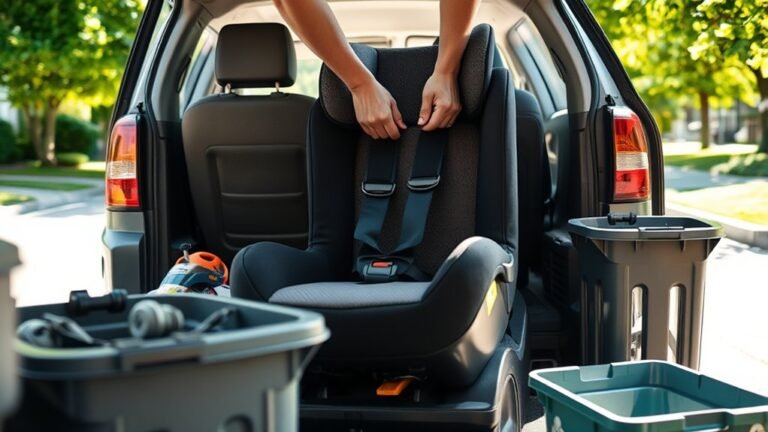
Wondering if you can bring a car seat on a plane? The quick answer is yes you can! Using a car seat during your flight is one of the best ways to ensure travel safety for your child. It provides proper restraint and comfort, especially on longer trips.
However, how you bring it and use it depends on airline policies, which vary. Many airlines allow you to bring a car seat as a carry-on or check it in, but some may have specific rules or require you to purchase a separate seat for your child.
Before you travel, check your airline’s guidelines to avoid surprises. Being prepared helps you prioritize safety without hassle, making your journey smoother and safer for everyone involved.
Airline Policies for Bringing Car Seats on Planes
How do airlines handle car seats on planes? Each airline has its own travel policies and airline restrictions regarding car seats, so it’s essential to check before you fly.
Most airlines allow you to bring a car seat onboard if you’ve purchased a seat for your child, but some restrict the size or type allowed. You’ll often need to use a car seat that fits within the aircraft’s seat dimensions.
Car seats are usually allowed onboard with a purchased child seat but must meet size and type restrictions.
Additionally, some airlines let you gate-check the car seat for free, while others count it as a carry-on item. Be sure to review your airline’s specific rules on their website or contact customer service to avoid surprises.
Knowing these details helps you prepare and guarantees a smoother travel experience with your little one.
Which Car Seats Are FAA-Approved for Air Travel?
After checking your airline’s rules for bringing a car seat onboard, the next step is confirming whether your car seat meets FAA approval for air travel. The FAA specifically approves car seats labeled with a statement like “This restraint is certified for use in motor vehicles and aircraft.”
Look for this label on your seat to ensure it’s crash-tested for both settings. Using an FAA-approved car seat not only enhances your child’s safety during turbulence but also supports disaster preparedness by providing secure restraint in emergencies.
Additionally, these seats often help with sleep optimization by offering a comfortable, familiar environment, making it easier for your child to rest on the plane. Avoid using non-approved seats, as they may compromise safety and violate airline policies.
Choosing the Best Car Seat for Flying on a Plane
What factors should you consider when choosing the best car seat for flying? First, check the car seat dimensions to ensure it fits the airplane seat comfortably and complies with airline policies. You’ll also want a lightweight, compact model for easy transport.
Keep in mind airline hydration policies, especially for long flights, as some seats accommodate hydration accessories better.
| Factor | Why It Matters |
|---|---|
| Car Seat Dimensions | Must fit within airplane seat limits |
| Weight | Easier to carry through airports |
| Installation Method | Quick setup saves time and hassle |
| Hydration Compatibility | Supports fluids during flights per airline hydration policies |
Choosing wisely means a smoother, safer journey for you and your little one.
Can You Use a Car Seat in an Airplane Seat?
You can use a car seat on a plane, but it needs to meet specific approval criteria for air travel. Make sure your seat is labeled as FAA-approved and follow the airline’s guidelines for installation.
Knowing these rules helps keep your child safe and your trip smooth.
Car Seat Approval Criteria
Airlines’ safety regulations determine whether a car seat can be used on a plane, and understanding these approval criteria is key to traveling with your child securely. To use a car seat onboard, it must meet specific standards verified through rigorous car seat testing.
Look for labels indicating FAA approval, which means the seat has passed the Federal Aviation Administration’s safety requirements for air travel. These tests ensure the car seat can withstand forces experienced during a flight, such as turbulence or abrupt stops.
Without this certification, airlines might refuse its use in the cabin. Before your trip, check the car seat’s manual or manufacturer website for FAA approval details, ensuring you’re prepared and compliant for a safe and smooth flight with your child.
Installation Guidelines on Planes
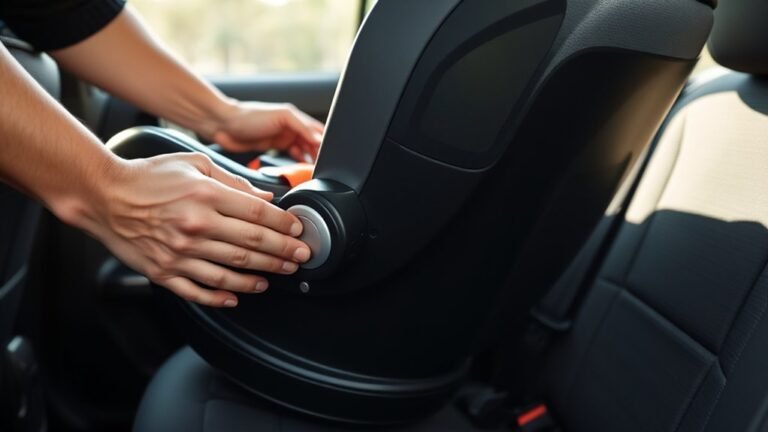
Knowing your car seat meets FAA approval is just the first step; properly installing it on the plane is where safety really comes into play. When securing your car seat in an airplane seat, use the aircraft seatbelt to tightly fasten the car seat base, following the manufacturer’s instructions.
Face the car seat rearward for infants under two years, as recommended. Be mindful of caregiver etiquette, ensuring your installation doesn’t block aisles or inconvenience fellow passengers.
Before takeoff, double-check the seat is firmly in place to handle turbulence. During the flight, you can use in-flight entertainment to keep your child calm and occupied while securely strapped in.
Proper installation not only protects your child but also helps everyone enjoy a smoother, safer flight experience.
Installing a Car Seat Safely on a Plane
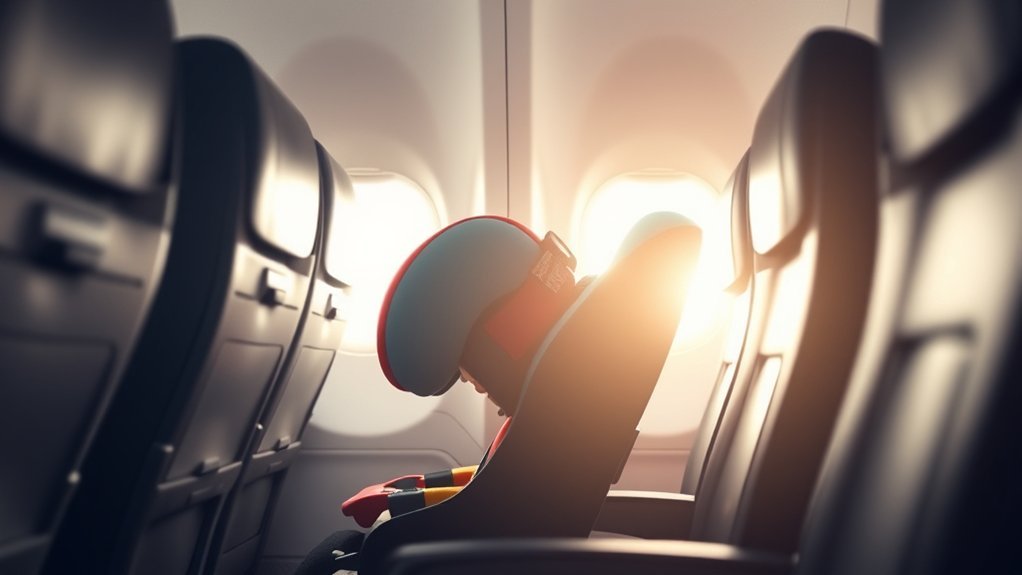
Installing a car seat safely on a plane requires careful preparation and attention to detail. First, check that your car seat is FAA-approved and fits the airplane seat. When you board, place the car seat in a window seat to avoid blocking the aisle.
Secure it tightly using the airplane seatbelt. Make sure it doesn’t move more than an inch side to side or front to back. If your seat has a tether, follow airline guidelines for its use.
Avoid common mistakes by reading the car seat manual beforehand, even if you’re not a parent. These non parenting, non traveltips ensure safety for all passengers. Finally, confirm with the flight crew if you need assistance or extra space, so you install the seat correctly without hassle.
Why Bring a Car Seat on the Plane? Key Benefits
Bringing a car seat on the plane gives your child enhanced safety during takeoff, landing, and turbulence. It also creates a familiar, comfortable space that can help them stay calm and relaxed.
Let’s explore how these benefits make traveling easier for both you and your little one.
Enhanced Child Safety
How can a car seat boost your child’s safety during a flight? Using a car seat ensures your child is securely restrained, reducing injury risk during turbulence or unexpected movements.
Unlike airplane seat belts designed for adults, car seats provide tailored protection that meets rigorous travel safety standards. Before you fly, check the airline policy regarding car seat use—most allow them onboard if approved for aircraft use.
Bringing your car seat also means you control the safety equipment, avoiding reliance on unfamiliar or inadequate restraints. Ultimately, using a car seat offers peace of mind, knowing your child is as protected as possible while in the air.
Prioritizing enhanced child safety on flights isn’t just smart; it’s essential for worry-free travel.
Increased Travel Comfort
Why settle for cramped airplane seats when you can provide your child with a familiar, comfortable space? Bringing a car seat on the plane enhances travel comfort and reinforces child safety, making the journey smoother for both of you.
Your child can relax in a seat they know, reducing fussiness and helping them nap. Plus, a car seat offers better support and protection during turbulence.
| Benefit | Why It Matters |
|---|---|
| Familiar Seating | Reduces anxiety and fussiness |
| Better Support | Ensures ergonomic comfort |
| Improved Safety | Secure restraint during flight |
| Easier Transitions | Smooth car-to-plane switch |
| Peace of Mind | Confidence in child safety |
Using your car seat on board turns travel into a more comfortable, secure experience for your little one.
Traveling With a Car Seat Without an Extra Ticket
Wondering if you can travel with a car seat without purchasing an extra plane ticket? The travel basics are simple: most airlines require your child to have their own seat for the car seat to be used onboard.
This means you usually need to buy an extra ticket for your child, even infants. However, seating legality depends on the specific airline and the type of car seat you bring.
Some airlines allow you to bring a car seat as a carry-on item if your child is on your lap, but it can’t be installed for use during the flight. To avoid surprises, always check your airline’s policy before traveling.
Bringing a car seat without an extra ticket often means you can’t use it onboard safely or legally.
Car Seat Alternatives for Air Travel
Looking for alternatives to traditional car seats when flying can make your trip much smoother. You might consider FAA-approved harnesses or inflatable car seats, which are lighter and easier to carry.
Some parents opt for CARES harnesses designed specifically for air travel, which fit older children and meet safety standards. Before you decide, check airline policy FAQs as rules vary widely.
| Alternative | Key Benefit |
|---|---|
| FAA-Approved Harness | Lightweight, portable |
| Inflatable Car Seat | Compact, easy to store |
| CARES Harness | Approved for kids 22-44 lbs |
Choosing the right car seat alternative helps you comply with regulations and keeps your child safe and comfortable on the plane.
Frequently Asked Questions
How Do You Clean a Car Seat After Air Travel?
After air travel, you should remove the car seat cover and wash it per the manufacturer’s instructions.
Use a post travel sanitizer spray on the plastic parts for car seat cleaning to keep it fresh and germ-free.
Can Car Seats Be Checked as Baggage Instead of Carried On?
When push comes to shove, you can check a car seat as baggage, but be cautious. Airline baggage policies vary, and for car seat safety, it’s often better to carry it on where you have control.
Are There Weight Limits for Car Seats on Planes?
You’ll find car seat regulations vary by airline policies, and some set weight limits for carry-on seats. Always check your airline’s specific rules before flying to avoid surprises and ensure your car seat meets their standards.
How Do Rental Car Companies Handle Car Seats at the Airport?
Like finding a trusty sidekick, rental car companies offer car seat leasing to ease airport logistics. You’ll usually reserve seats ahead, ensuring safety and convenience without lugging bulky gear through terminals and busy arrivals.
Can Booster Seats Be Used on Airplanes?
You can use booster seats on airplanes, but check booster compatibility first. They’re generally safer in window seats, as aisle seating safety can be compromised.
Always follow airline rules and prioritize your child’s comfort and security.
Conclusion
So, can you take a car seat on a plane? Absolutely! Bringing one guarantees your little one’s safety and comfort during the flight. Just make certain your seat is FAA-approved and fits the airline’s rules.
While it might seem like extra hassle, isn’t peace of mind worth it? If a car seat isn’t an option, consider approved alternatives.
With the right prep, traveling with your child can be smooth and stress-free. Remember, knowing you can take a car seat on a plane makes all the difference in ensuring a safe journey.