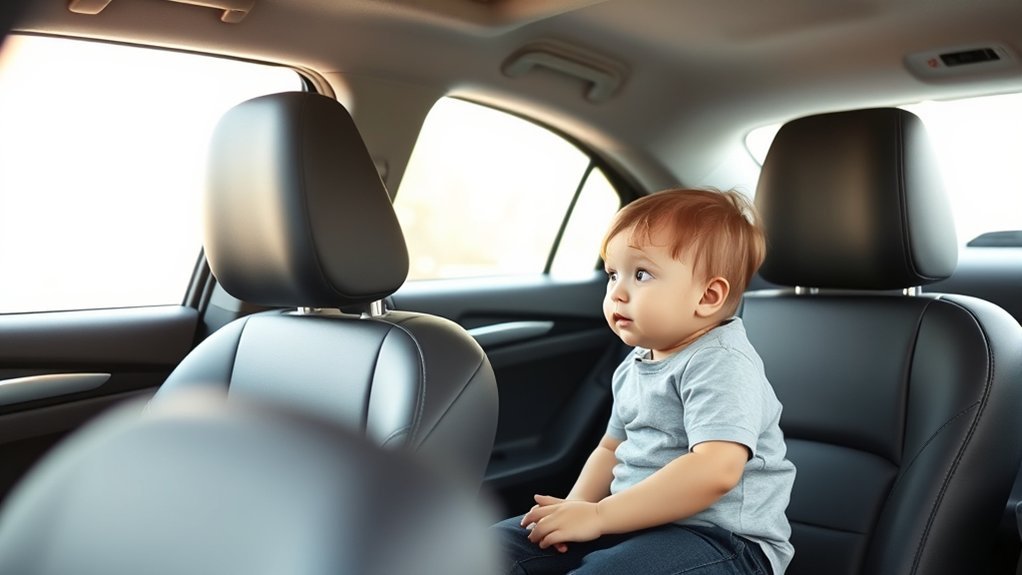
Can You Drive a Toddler Without a Car Seat
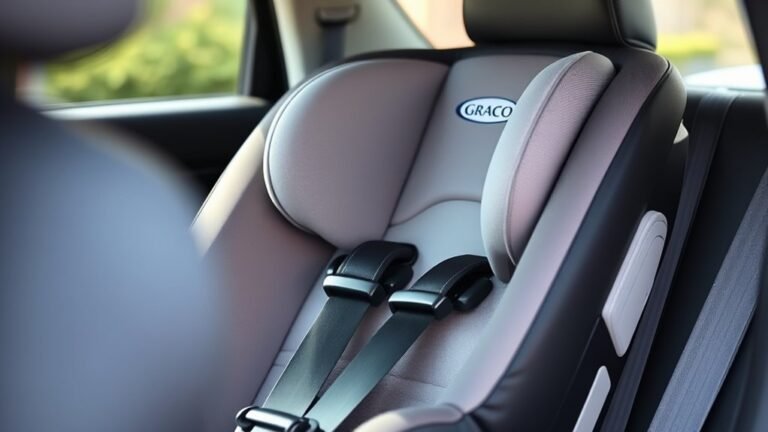
You can’t legally or safely drive a toddler without a car seat. A properly secured car seat is essential for protecting young passengers during any trip.
Car seats are required by law and help prevent serious injury and fines. They absorb crash forces, support your child’s head and neck, and keep them firmly restrained.
Using a certified car seat is crucial every time you drive, no matter how short the journey. To understand the specific laws, safety benefits, and alternatives, keep exploring this important topic.
Why Is It Important to Always Use a Car Seat for Toddlers?
Why should you never skip using a car seat for your toddler? First, it’s essential to comply with legal consequences that come with ignoring car seat laws. Authorities enforce these laws strictly to protect young passengers.
Beyond legality, car seats are designed to meet rigorous vehicle safety standards, ensuring your toddler is secured appropriately for their size and weight. Using a proper car seat minimizes risks during everyday travel and unexpected incidents.
Skipping this safety measure not only endangers your child but also exposes you to fines, penalties, and even potential criminal charges. Always prioritize your toddler’s safety by adhering to car seat requirements. It’s not just about following rules, but about safeguarding your child’s well-being every time you drive.
How Do Car Seats Protect Toddlers in a Crash?
You rely on a car seat to absorb the impact forces during a crash, reducing the risk of injury. It securely restrains and immobilizes your toddler, preventing dangerous movement.
Plus, it provides essential head and neck support to protect vulnerable areas in sudden stops.
Impact Absorption Mechanism
How exactly do car seats protect toddlers during a crash? They use an impact absorption mechanism designed to reduce the forces your child experiences. By managing crash dynamics, car seats absorb and dissipate energy, minimizing injury risk.
The seat’s structure compresses strategically, lessening the sudden deceleration your toddler faces.
Here’s a breakdown of how impact absorption works in car seats:
| Component | Function | Effect on Crash Dynamics |
|---|---|---|
| Foam Padding | Absorbs energy | Reduces force transmitted |
| Shell Structure | Deforms under stress | Slows deceleration rate |
| Harness System | Distributes impact forces | Prevents concentrated stress |
| Base Stability | Keeps seat secure | Maintains position |
Understanding these elements helps you see why skipping a car seat risks your toddler’s safety.
Restraint and Immobilization
While impact absorption helps lessen the forces during a crash, keeping your toddler securely restrained is just as important. Car seats are designed to immobilize your child, preventing dangerous movements that can cause injury.
Many car seat myths suggest you can skip proper installation or use adult seat belts, but these misconceptions put your child at serious risk. Following installation basics is critical: ensure the seat is tightly secured and the harness fits snugly against your toddler’s body.
The restraint system distributes crash forces across the strongest parts of your child’s body, reducing the chance of severe harm. Never compromise on restraint and immobilization. Your vigilance can make the difference between safety and tragedy in a crash.
Head and Neck Support
Why is head and neck support essential in protecting toddlers during a crash? Toddlers’ heads are disproportionately large and heavy compared to their bodies, making their necks vulnerable to serious injury. Proper head and neck support in a car seat prevents excessive movement during sudden stops or collisions, reducing the risk of spinal and brain injuries.
This crash protection is crucial for your child’s safety.
| Without Head/Neck Support | With Head/Neck Support |
|---|---|
| Increased risk of whiplash | Stabilizes head and neck |
| Potential spinal injuries | Minimizes injury risk |
| Greater impact force | Absorbs crash energy |
| Higher chance of trauma | Provides vital protection |
You must ensure your toddler’s car seat offers firm head and neck support to maximize crash protection.
Toddler Car Seat Laws You Need to Know
You need to follow specific age and weight requirements when using a toddler car seat, which vary by state. Understanding your state’s laws is essential to keep your child safe and avoid penalties.
Ignoring these rules can lead to serious fines and legal trouble.
Age And Weight Requirements
How old or heavy does your toddler need to be before legally sitting without a car seat? Age guidelines and weight limits play an essential role in determining when it’s safe and legal to forgo a car seat.
Generally, toddlers must reach a minimum age, often around 8 years old, and meet specific weight limits, typically above 40 to 80 pounds, before they can ride without a car seat. These thresholds exist to ensure your child’s safety, as their bodies must be developed enough to be properly protected by the vehicle’s seat belt alone.
Ignoring these requirements not only risks severe injury but also violates safety laws designed to protect young passengers. Always adhere strictly to age guidelines and weight limits to keep your toddler secure.
State-Specific Car Seat Laws
Where do your state’s laws stand on toddler car seat requirements? Understanding the specifics is vital for child safety. Laws vary widely, so you need to know exactly what applies to you. Here’s what to consider:
- Minimum age and weight for toddlers to shift from rear-facing to forward-facing seats.
- Mandates on how long toddlers must remain in booster seats before moving to regular seat belts.
- Specific height or weight requirements that differ by state and affect booster seat use.
- Whether your state requires booster seats for children beyond toddlerhood to guarantee continued protection.
Always check your state’s Department of Motor Vehicles or child safety website. Following these rules isn’t just legal; it’s essential for protecting your toddler on every trip.
Penalties For Non-Compliance
What happens if you don’t comply with toddler car seat laws? You face serious non compliance penalties and legal consequences that vary by state but often include fines, points on your license, and even court appearances. Authorities enforce these laws strictly to protect your child’s safety.
Here’s a quick glance at potential penalties:
| State | Fine Range | Additional Consequences |
|---|---|---|
| California | $100 – $500 | Points on license, court |
| Texas | $25 – $250 | Mandatory safety class |
| New York | $50 – $300 | Vehicle impound possible |
| Florida | $60 – $500 | Increased insurance rates |
Don’t risk these legal consequences. Always use the proper car seat to keep your toddler safe and avoid penalties.
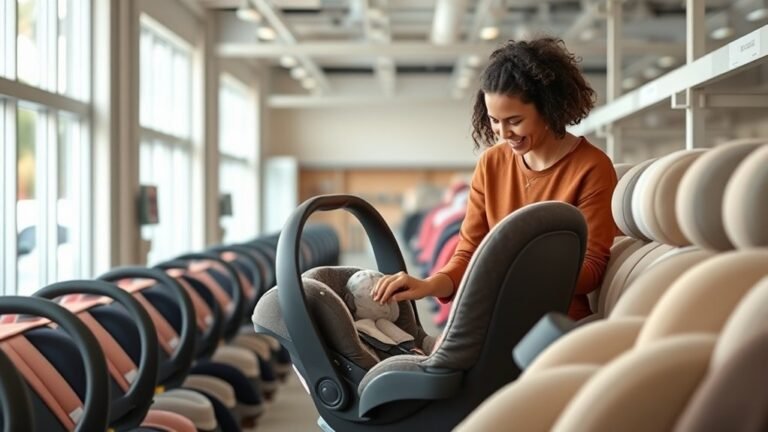
Which Types of Car Seats Are Best for Toddlers?
Choosing the right car seat for your toddler is essential for their safety and comfort during every trip. You must comply with driving legality, which mandates proper restraint use, and ensure correct seat belt usage. Here are the best types of car seats for toddlers:
- Convertible Car Seats Use rear-facing first, then switch to forward-facing with a harness as your child grows.
- Combination Seats Start as a forward-facing harness seat, then convert to a booster for older toddlers.
- High-Back Boosters Provide head and neck support while using the vehicle’s seat belt properly.
- All-in-One Seats Adapt through stages, combining rear-facing, forward-facing, and booster functions.
Choose a seat certified by safety standards to protect your toddler effectively and meet legal requirements.
When Is It Safe for Toddlers to Transition Out of Car Seats?
How do you know when your toddler is ready to change out of a car seat? Safety guidelines suggest waiting until your child reaches the height and weight limits of their current seat. Beyond these measurements, practical etiquette calls for ensuring the child fits properly in a booster or seat belt.
Also, consider emergency planning: a secure fit minimizes injury risk in an accident.
| Criteria | Signs Your Toddler Is Ready |
|---|---|
| Height and Weight Limits | Meets/exceeds manufacturer’s specs |
| Seat Belt Fit | Belt lies flat across shoulder and lap |
| Behavior | Sits still and upright during rides |
Always prioritize these factors to decide when to transition out of a car seat safely.
Practical Tips to Make Using Toddler Car Seats Easy
Wondering how to make using toddler car seats less of a hassle? Proper car seat installation and booster seat usage are key to safety and convenience. Here are practical tips to help:
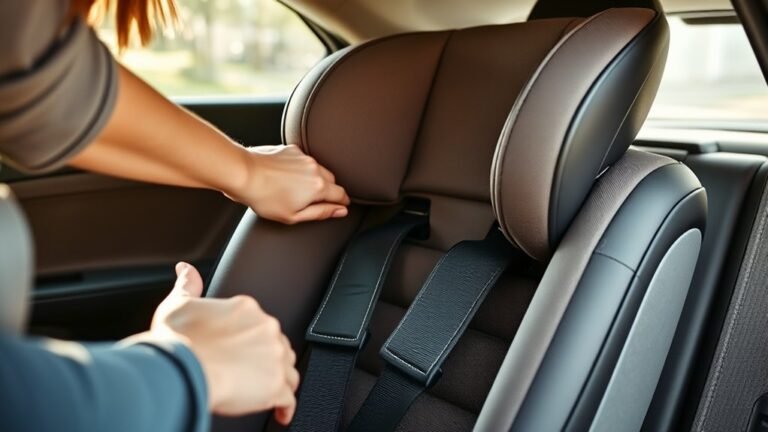
- Read the Manual: Every car seat is different. Follow the manufacturer’s instructions carefully to ensure secure car seat installation.
- Use the Right Seat: Move to a booster seat only when your toddler meets height and weight guidelines for safety.
- Practice Installation: Install and remove the car seat a few times at home to build confidence and speed.
- Keep It Clean: Use removable covers and wipes to maintain hygiene, making the car seat more comfortable for your toddler.
Debunking Common Myths About Toddler Car Seat Safety
Although you might hear conflicting advice, it is essential to separate fact from fiction when it comes to toddler car seat safety. Many car seat myths can lead to dangerous choices, often rooted in crash safety misconceptions. You must rely on verified information rather than hearsay.
| Myth | Reality |
|---|---|
| “Car seats aren’t needed for short trips.” | Even short rides carry crash risks. Use a car seat. |
| “Holding a toddler is just as safe.” | Human arms can’t protect against crash forces. |
| “Forward-facing seats are always safer.” | Rear-facing seats provide better neck protection for toddlers. |
| “Car seats expire after a few years.” | Yes, materials degrade. Always check expiration dates. |
Trust facts over myths to ensure your toddler’s safety on every trip.
What You Should Know About Penalties for Not Using a Car Seat
What consequences can you face if you skip using a car seat for your toddler? Ignoring this essential safety measure can lead to serious legal and financial penalties. Despite persistent car seat myths, the law is clear, reflecting the real dangers highlighted by crash dynamics studies.
Here’s what you should know:
Important facts every parent must understand before driving with a toddler in the car
- You can be fined heavily, with amounts varying by state.
- Points may be added to your driving record, risking license suspension.
- You might be required to attend a safety course.
- In case of an accident, insurance claims can be denied or reduced.
Don’t underestimate these penalties. They exist not just to enforce the law but to protect your toddler from severe harm during collisions. Always use a proper car seat.
Safe Alternatives When You Don’t Have a Toddler Car Seat Available
How can you keep your toddler safe in a vehicle when a proper car seat isn’t available? First, avoid driving unless absolutely necessary. If you must, consider borrowing a car seat from a trusted friend or family member, but double-check the car seat installation and ensure it hasn’t expired or been in an accident.
Proper car seat maintenance is crucial; worn straps or damaged components can compromise safety. Alternatively, some taxis and rideshares offer car seats upon request. Confirm availability in advance.
Never rely on makeshift restraints like seat belts alone, as they don’t provide adequate protection for toddlers. Ultimately, your best option is securing a certified toddler car seat to guarantee safety and compliance. Prioritize proper car seat installation every time to protect your child effectively.
Frequently Asked Questions
Can a Toddler Sit on an Adult’s Lap During a Car Ride?
You shouldn’t let a toddler sit on your lap during a car ride. Unlike teens, toddlers need proper car seats for safety.
Don’t fall for car seat myths. Always use the right restraint to protect your child.
Are Booster Seats a Suitable Replacement for Toddler Car Seats?
Booster seats aren’t a suitable replacement for toddler car seats. You need to avoid lap belt dangers; boosters only work once your child outgrows a toddler seat and fits properly with vehicle seat belts.
How Do Car Seat Expiration Dates Affect Toddler Safety?
You shouldn’t use car seats past their expiration date; expired tag ideas signal weakened materials and compromised safety.
Always check weight limits, since exceeding them or using an expired seat puts your toddler at serious risk in crashes.
Can Used Car Seats Be as Safe as New Ones for Toddlers?
You wouldn’t trust a rusty spaceship for toddler safety! Used car seats can be safe if they’re undamaged, not expired, and meet current standards.
Always check recalls and history to protect your little one properly.
What Are the Best Car Seat Brands Recommended by Experts?
You should choose brands like Graco, Britax, and Chicco for car safety. They offer reliable seat installation and high crash test ratings.
Always double-check installation to keep your toddler secure and comfortable.
Conclusion
You wouldn’t want to take chances when it comes to your toddler’s safety on the road. Using a car seat isn’t just a suggestion—it’s a wise choice that shields your little one from harm. While it might seem like a hassle at times, these seats offer peace of mind and comply with the law.
So, buckle up your toddler properly every time; it’s a small effort for a big reward in protection and care. Remember, you should never drive a toddler without a car seat to ensure their safety and follow legal requirements.