Can Baby Sleep in Car Seat
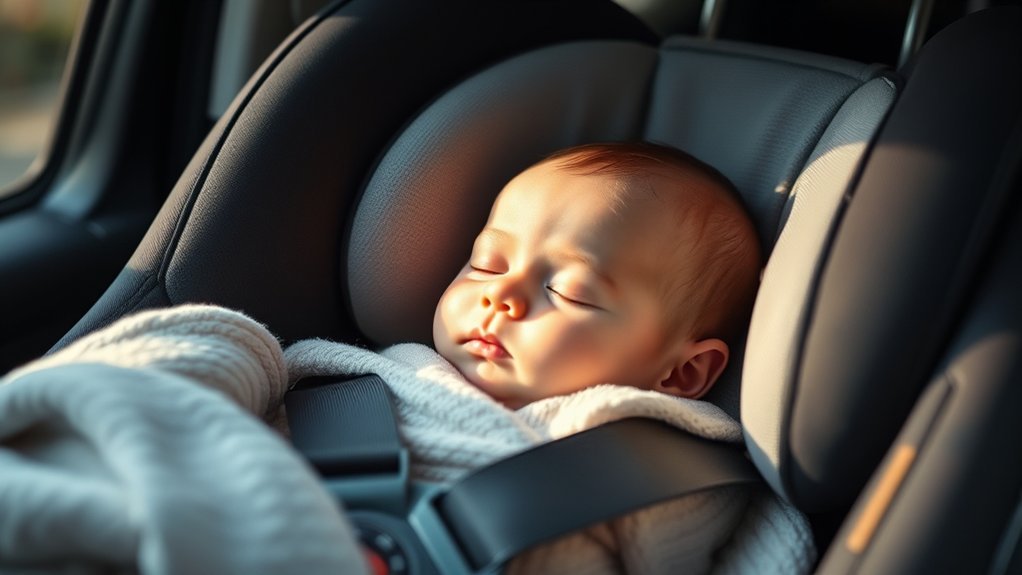
You can let your baby sleep in a car seat only during active travel or very short stops, never for extended periods outside the car. Car seats are designed for transit safety, not prolonged sleep, as the semi-reclined position may restrict breathing and increase risks like positional asphyxia.
Always transfer your baby to a firm, flat sleep surface once you reach your destination. To keep your baby safe, check harness fit and follow installation guidelines. There’s more to know about keeping your baby comfortable and safe on the go.
When Is It Safe for Babies to Sleep in a Car Seat?
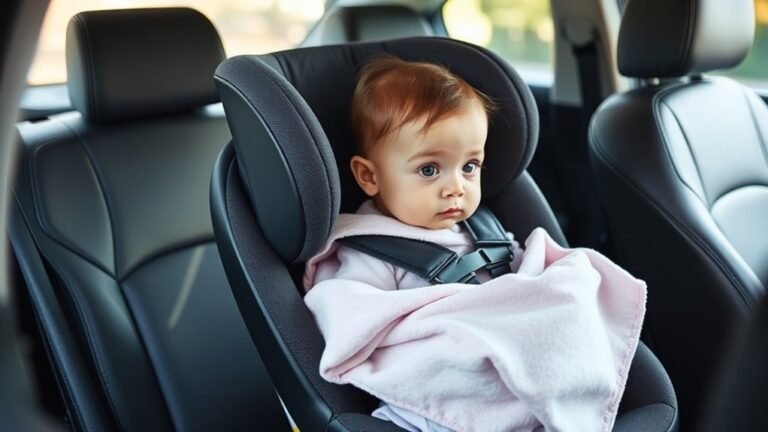
When is it truly safe for your baby to sleep in a car seat? You should only allow your baby to sleep in a car seat when you’re actively traveling or during short stops. Car seats are essential baby gear designed to protect your child during transit, but they aren’t intended for prolonged sleep outside the car.
For optimal travel safety, always ensure the car seat is properly installed and your baby is securely strapped in. Avoid letting your baby sleep in the seat when stationary for extended periods, as the semi-reclined position can affect breathing.
Use the car seat strictly as designed for travel and transfer your baby to a firm, flat sleep surface once you reach your destination to maintain safe sleep practices and reduce risks.
Risks of Long Naps in Car Seats
While a car seat provides necessary protection during travel, allowing your baby to take long naps in it can pose serious health risks. Extended time in a car seat may lead to restricted airflow and increased pressure on your baby’s airway, raising the risk of positional asphyxia.
It’s important to debunk common car seat myths suggesting that long naps in a car seat are safe or equivalent to crib sleep. Experts recommend limiting your infant’s sleep duration in a car seat to travel only, as prolonged use can affect breathing and spinal alignment.
Always transfer your baby to a flat, firm sleep surface as soon as possible after travel to ensure safe, healthy sleep and avoid potential complications from extended car seat use.
Car Seat Features That Affect Baby Sleep Safety
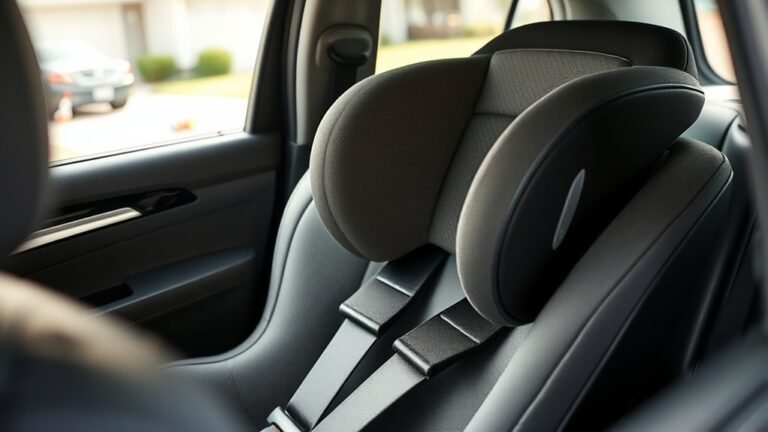
You need to pay close attention to your car seat’s recline angle, as it directly impacts your baby’s airway safety during sleep.
Make sure the harness is positioned correctly to keep your baby secure without restricting breathing. These features are critical to reducing risks while your baby rests in the seat.
Recline Angle Importance
Understanding the critical role of recline angle in car seats can ensure enhance your baby’s sleep safety. The recline angle determines how your baby’s head and neck align during sleep.
If the seat is too upright, your baby may slump forward, restricting airflow and increasing the risk of breathing difficulties. Conversely, excessive recline can cause improper support and discomfort. Aim for the manufacturer’s recommended recline angle, usually between 30 to 45 degrees.
Additionally, car seat padding plays a vital role in maintaining this angle securely while providing comfort. Avoid adding extra padding not approved by the manufacturer, as it can alter the recline and compromise safety.
Harness Positioning Safety
Proper recline angle sets the foundation for safe sleep, but securing your baby correctly in the car seat is equally important. Pay close attention to harness positioning to protect your little one during sleep.
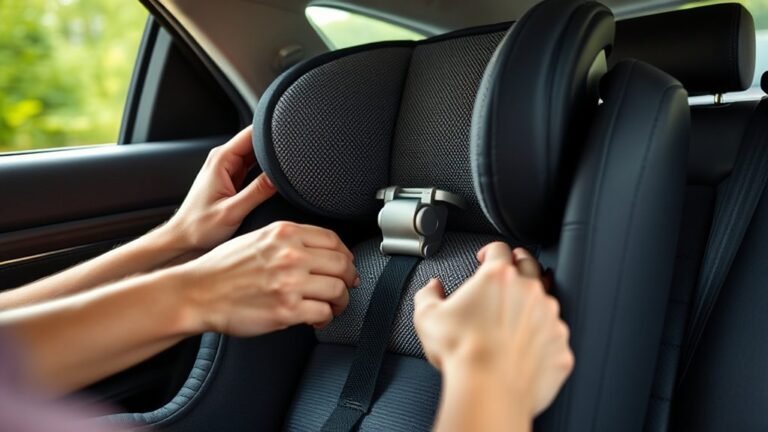
Ensure the harness straps sit at or just below your baby’s shoulders for rear-facing seats, maintaining proper hips alignment to prevent slumping or twisting. The harness should be snug enough that you can’t pinch any slack, yet allow comfortable movement.
Use the “finger spacing” guideline: you should be able to slide only one or two fingers between the harness and your baby’s chest. This balance prevents excessive tightness or looseness, both of which can compromise safety.
Incorrect harness positioning increases risk during sudden stops, so double-check before every ride to keep your baby safe and secure.
Expert Recommendations on Baby Sleep in Car Seats
Experts advise that you should never let your baby sleep in a car seat for extended periods, especially outside of travel. It’s important to follow safety guidelines that limit sleep duration to prevent breathing difficulties and strain.
Understanding these recommendations helps you keep your baby safe during car rides.
Safety Guidelines for Sleep
Although car seats are designed to keep your baby safe during travel, they are not intended for extended sleep outside of the car. When discussing car seat branding, always choose models that meet the latest safety standards.
Avoid using stroller accessories that aren’t approved for safe sleep, as they may compromise your baby’s position.
Follow these safety guidelines for sleep in a car seat:
- Always secure your baby with the harness snugly and correctly positioned.
- Limit sleep time in the car seat to prevent breathing difficulties.
- Never place a car seat on elevated surfaces for sleep, reducing fall risk.
Use the car seat strictly for travel, and always transfer your baby to a flat, firm sleep surface as soon as possible to ensure safety.
Recommended Sleep Duration
How long should your baby sleep in a car seat to stay safe? Experts recommend limiting naps duration in car seats to no more than 1 to 2 hours at a time. While car seats are designed for safe travel, they aren’t intended for extended sleep periods.
Prolonged time in a semi-reclined position can increase the risk of breathing difficulties and positional asphyxia. If your baby falls asleep during a trip, make sure to monitor them closely and try to plan breaks where you can safely remove them from the seat.
For longer naps or overnight sleep, it’s best to place your baby in a firm, flat sleep surface. Prioritizing these recommendations helps ensure your baby’s safety without compromising the convenience of travel.
How to Tell If Your Baby Is Uncomfortable or Unsafe Sleeping in a Car Seat
What signs should you watch for to know if your baby is uncomfortable or unsafe while sleeping in a car seat? You need to be vigilant since prolonged car seat use can restrict your baby’s airway or cause poor posture. Look for these warning signs:
- Difficulty breathing or noisy breathing, indicating airway obstruction.
- Slumped or twisted posture that may strain the neck or spine.
- Excessive fussiness or sweating, signaling discomfort or overheating.
Unlike babywearing or nightfeeding, where you can adjust your baby’s position frequently, car seats limit mobility. Always check that the harness is snug but not too tight and that the head stays supported. If you notice any of these signs, it’s best to move your baby to a flat, safe sleep surface promptly to reduce risk.
Tips to Keep Your Baby Safe During Short Naps in a Car Seat
When should you allow your baby to nap in a car seat, and how can you guarantee their safety during these short rests? For safe travel, limit naps in car seats to brief periods and always supervise your baby closely.
Keep the seat reclined at the correct angle to maintain an open airway and avoid bulky clothing or blankets that can interfere with the harness.
| Tip | Action | Reason |
|---|---|---|
| Limit duration | Keep naps under 30 minutes | Reduces risk of breathing issues |
| Proper seat angle | Recline between 30-45 degrees | Keeps airway open |
| Harness fit | Snug, secure harness | Prevents slumping and sliding |
| Supervision | Always watch your baby | Ensures immediate response |
Safe Alternatives to Baby Sleep in Car Seats on the Go
Finding safe alternatives to letting your baby sleep in a car seat while on the go is essential for their well-being. Car seat ergonomics are designed primarily for travel safety, not extended sleep.
To ensure your baby rests safely outside the car, consider these options for on the go lounging:
- Use a portable bassinet or travel crib that offers a flat, firm sleeping surface.
- Opt for a baby lounger designed for supervised naps, providing proper head and neck support.
- Plan frequent stops during long trips, allowing your baby to nap safely outside the car seat.
These alternatives help maintain your baby’s natural sleep posture and reduce risks associated with prolonged car seat use. Prioritize your baby’s comfort and safety by choosing appropriate rest solutions while on the move.
Transitioning Your Baby From Car Seat to Crib Sleep
How can you help your baby adjust smoothly from sleeping in a car seat to resting safely in a crib? Prioritize transition safety by gradually shifting your baby’s sleep environment. Start by reducing nap duration in the car seat, then transfer your baby to the crib when drowsy but still awake.
This helps them associate the crib with comfort and sleep. Ensure the crib is a safe, firm surface free of loose bedding or toys. Consistency is key. Establish a calming pre-sleep routine to ease the change.
Monitor your baby closely during this period to prevent sleep disruptions or discomfort. Remember, prolonged sleep in a car seat isn’t safe, so making this transition early supports healthy sleep habits and reduces risks associated with improper sleep environments.
Frequently Asked Questions
Can Car Seats Be Used as Regular Baby Carriers?
Car seats aren’t designed for regular baby carrier purposes; they prioritize car safety, not portability. Using them frequently outside the car can compromise baby sleep safety and proper support.
How Do Car Seat Expiration Dates Affect Baby Sleep Safety?
You shouldn’t ignore car seat expiration because it affects sleep safety during travel. Expired seats may fail in crashes or have degraded materials, putting your baby at risk even while sleeping. Always check and replace timely.
Are There Specific Car Seat Brands Better for Baby Sleep?
Think of your baby’s comfort like cradling a delicate flower. Brands like Nuna and Cybex offer the best nap angles and cushioned supports. You’ll want to choose carefully to ensure safe, restful sleep every ride.
Can Car Seats Cause Flat Head Syndrome in Babies?
Yes, car seats and sleep can contribute to flat head syndrome if your baby spends too much time in them.
Prioritize baby sleep safety by limiting car seat naps and encouraging supervised tummy time to prevent flattening.
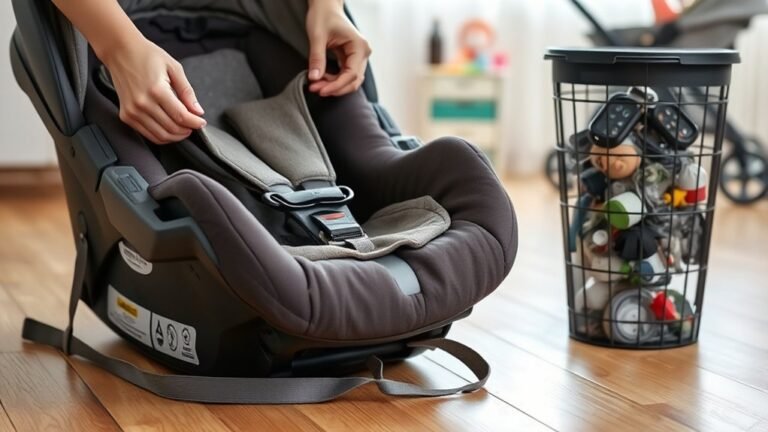
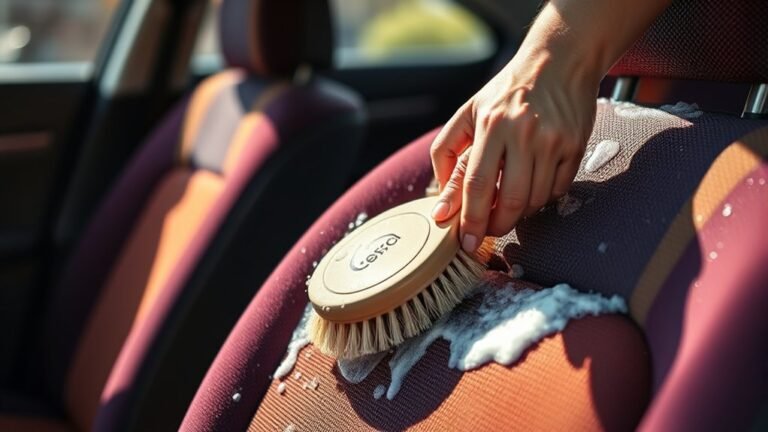
How to Clean a Car Seat After a Baby Falls Asleep?
Imagine a gentle breeze wiping away crumbs. Start cleaning after sleep by removing the cover and washing it with baby-safe fabric detergent.
Wipe the harness and plastic parts carefully, ensuring every inch stays fresh and safe for your baby.
Conclusion
Remember, while car seats are designed for travel safety, they’re not meant for prolonged sleep. As the saying goes, “Better safe than sorry.” Always supervise your baby during short naps and follow expert guidelines to minimize risks.
Prioritize transitioning your little one to a crib for longer sleep times to ensure proper support and breathing. Taking these precautions helps keep your baby safe and comfortable, giving you peace of mind on every journey.
In conclusion, when considering if a baby can sleep in a car seat, it’s important to limit sleep time and always monitor closely to protect your child’s well-being.