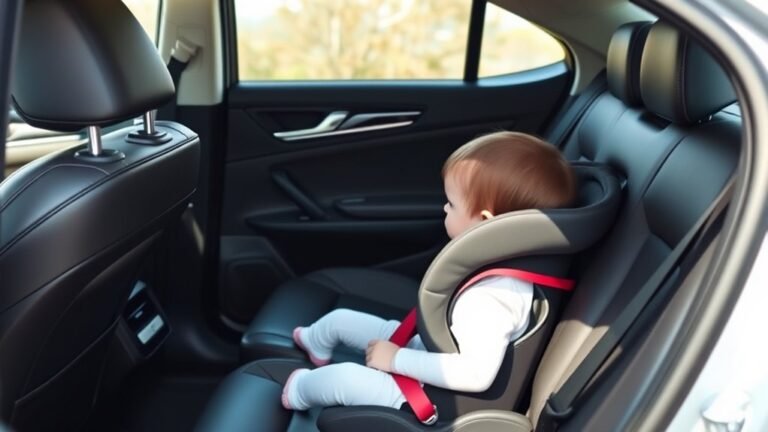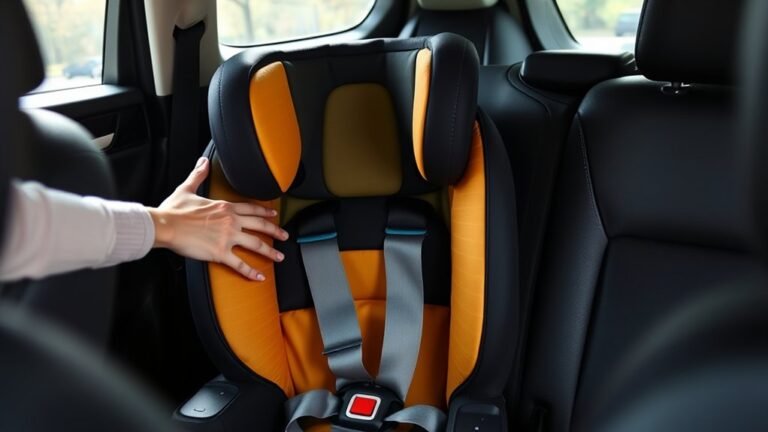

What Do I Do With an Old Car Seat
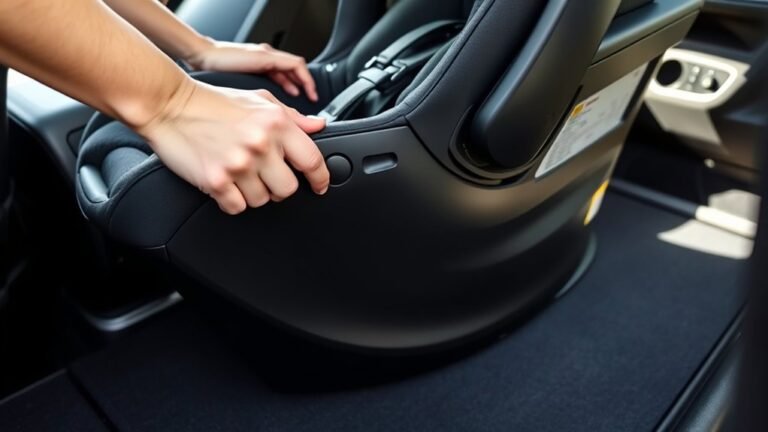
First, check your old car seat’s expiration date and condition for cracks, frayed straps, or crash damage, since safety degrades over time. What do I do with an old car seat? If it’s expired or damaged, don’t keep using it.
You can donate or sell only if it’s safe, unexpired, and recall-free, with manuals included. When disposing, follow local recycling laws—never toss it in regular bins. Some parts, like fabric or buckles, can be repurposed safely.
There’s more to know about properly handling old car seats.
How To Check If Your Old Car Seat Is Safe
How do you know if your old car seat is still safe to use? Start by checking the expiration date, usually found on a label or imprinted on the shell. Car seats degrade over time, so using an expired seat increases risk.
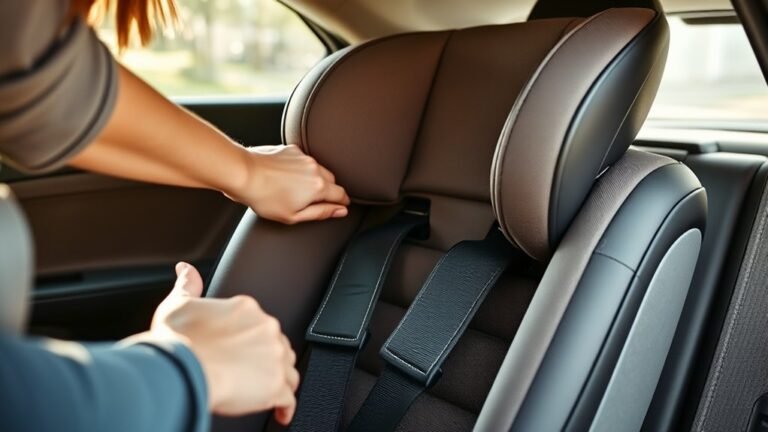
Next, inspect the seat for any cracks, missing parts, or frayed straps. Damage compromises safety. Confirm the seat hasn’t been involved in a crash; even minor accidents can weaken its structure.
Refer to the manufacturer’s manual for two word discussion idea 1 and two word discussion idea 2 to ensure proper installation and maintenance. Avoid secondhand seats without full history.
When And Why To Stop Using An Old Car Seat
After checking your car seat’s condition and history, you need to recognize the point when it’s no longer safe to use. Old car seat safety standards evolve, and materials degrade over time, reducing protection in a crash. Typically, manufacturers recommend retiring a car seat after six to ten years.
Recognize when your car seat is no longer safe as materials degrade and safety standards evolve over time.
Also, if the seat has been involved in an accident or shows visible damage, stop using it immediately. Knowing when to stop ensures your child’s safety isn’t compromised.
At this stage, you must decide between disposal vs repurposing. If the seat is structurally compromised, disposal is the safest choice to prevent reuse.
However, if it’s intact but outdated, repurposing for non-transport uses can be a responsible alternative, provided it won’t endanger anyone.
Where To Donate Or Sell Your Old Car Seat
Wondering where you can donate or sell your old car seat safely? Before you decide, ensure it meets current safety standards and hasn’t been in an accident.
Donation options typically include local charities, hospitals, or community centers that accept gently used seats. For resale safety, consider certified resale shops or trusted online marketplaces where guidelines protect buyers.
| Donation Options | Resale Safety Tips |
|---|---|
| Local charities | Verify seat expiration date |
| Hospitals | Disclose any damage or recalls |
| Community centers | Provide original manuals |
| Nonprofits specializing in child safety | Confirm proper installation assistance |
Choosing the right place ensures your old car seat benefits others without compromising safety.
How To Recycle Old Car Seats Responsibly
Once you’ve determined that your old car seat isn’t suitable for donation or resale, recycling it responsibly becomes the next best option. First, check with your local recycling center to see if they accept car seats, as not all do due to safety and material complexity.
Don’t fall for recycling myths that suggest tossing a car seat in your regular bin is effective—it’s not. Car seats contain metal, plastic, and foam, which require proper separation and handling.
Avoid disposal myths that claim burning or illegal dumping is acceptable; these methods are harmful and unsafe. Instead, seek specialized programs or manufacturers offering take-back initiatives.
How To Dispose Of Non-Reusable Car Seats Safely
When disposing of a non-reusable car seat, you’ll need to follow your local disposal regulations to avoid fines or hazards. Check for designated recycling programs that accept car seats to reduce environmental impact.
Also, be aware of any hazardous materials in the seat, like foam or chemicals, and handle them according to safety guidelines.
Local Disposal Regulations
How should you handle disposing of a car seat that’s no longer safe to use? First, check your area’s disposal regulations and local ordinances. Many municipalities have specific rules for bulky waste or hazardous items like car seats.
Some may require you to remove padding or label the seat as “non-reusable” before disposal. Others might restrict car seats from regular trash due to safety and environmental concerns. Contact your local waste management or public works department to get clear instructions.
Following these guidelines ensures you dispose of the seat safely and legally, preventing accidental reuse or environmental harm. Ignoring local disposal regulations can result in fines or improper handling, so always prioritize compliance to protect your community and the environment.
Recycling Options Available
After confirming your local disposal rules, explore recycling options designed specifically for non-reusable car seats. Many communities offer specialized programs that follow strict waste management guidelines to handle these bulky items safely.
You can also check with manufacturers or retailers who sometimes provide take-back services or recycling partnerships. Proper recycling options ensure materials like plastic and metal are recovered, reducing landfill impact.
| Recycling Option | Description |
|---|---|
| Municipal Recycling Centers | Accept car seats for material recovery |
| Retailer Take-Back Programs | Manufacturer-supported recycling services |
| Specialized Waste Programs | Designed for bulky or hazardous plastics |
Always verify that the chosen option complies with your area’s waste management guidelines to dispose of the car seat safely and responsibly.
Hazardous Material Considerations
Since car seats often contain materials like foam, metal, and sometimes chemical flame retardants, you need to handle their disposal with care to avoid environmental harm and personal injury. These hazardous materials can pose risks if released improperly.
Before disposing of a non-reusable car seat, check if it has undergone recent safety testing to ensure it’s no longer safe for use. If it fails or is expired, never donate or resell it.
Instead, contact your local waste management or hazardous material facility for guidance on safe disposal methods. Avoid placing car seats in regular recycling bins, as specialized handling may be required. By respecting hazardous materials protocols, you protect both the environment and yourself from potential exposure to toxic substances.
What Local Laws Say About Old Car Seat Disposal
Where should you take your old car seat when it’s time to dispose of it? Local laws vary, so you need to check your area’s specific regulations. Some regions have updated old regulations to guarantee safe disposal due to the hazardous materials in car seats.
You might face disposal fees if you drop it off at a landfill or recycling center that handles bulky items.
Here’s what to ponder about local laws:
- Some municipalities require you to disassemble or cut straps to prevent reuse.
- Designated drop-off points may exist, often at fire stations or waste facilities.
- Illegal dumping can result in fines, so follow guidelines carefully.
Always verify your local disposal rules to protect safety and avoid unexpected fees.
Fun Ways To Repurpose Your Old Car Seat
Knowing how to properly dispose of your old car seat is important, but you don’t have to stop there. You can repurpose it creatively and safely. For example, use the sturdy metal frames to build a unique garden bench or a small outdoor chair. Just ensure you remove any sharp edges to prevent injuries.
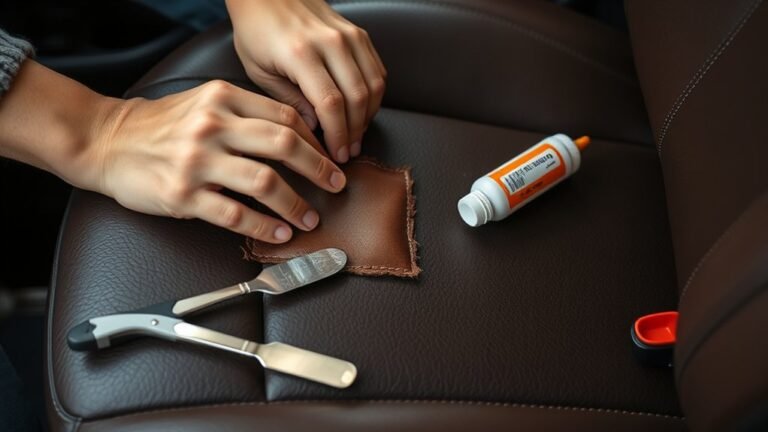
The old fabric can be cleaned and transformed into cushions or pet beds, giving it a new life while avoiding waste. When repurposing, always prioritize safety by thoroughly inspecting the seat for any broken parts or contaminants.
Avoid using components that could pose risks, and make sure any modifications are secure. This way, you extend the usefulness of your old car seat while keeping safety top of mind.
Which Old Car Seat Parts You Can Salvage Or Upcycle
What parts of your old car seat can you safely salvage or upcycle? Focus on components that remain structurally sound and free from damage or wear that could compromise safety. You can repurpose these parts responsibly by ensuring they’re clean and intact.
Upcycling fabric: The seat covers can be cleaned and reused for crafting projects like cushions or bags, giving new life to durable, high-quality materials.
Salvaged buckles: If the buckles and clips function properly, keep them for DIY projects requiring secure fasteners. Always test their locking mechanisms before reuse.
Metal frame components: These can be repurposed in furniture or garden projects but avoid using any part that may have sustained impact damage.
Prioritize safety by inspecting each part thoroughly before upcycling or salvaging.
Frequently Asked Questions
Can Old Car Seats Be Used for Pets?
You can repurpose old car seats for pet safety by converting them into comfortable, secure carriers or beds. Just ensure the seat is clean, structurally sound, and adapted to prevent any hazards for your pet during use.
How Do Car Seats Impact Vehicle Resale Value?
Car seat depreciation slightly lowers your vehicle’s resale value impact since buyers might worry about wear or safety concerns. You can maintain value by keeping seats clean, properly installed, and providing maintenance records to reassure buyers.
Are There Warranties for Used Car Seats?
You typically won’t find warranty coverage on used car seats, as most warranties apply only to new products. Instead, focus on used seat certifications to ensure safety and compliance before trusting a secondhand seat for your child.
Can I Travel With an Old Car Seat Internationally?
You can’t just toss any old car seat into your luggage like a magic carpet! Travel restrictions vary, so check safety standards first.
Opt for certified portable seating to keep your child secure and hassle-free internationally.
Do Car Seat Manufacturers Offer Trade-In Programs?
Yes, some car seat manufacturers offer trade-in programs to help you replace old seats. These programs ensure you avoid car seat recalls and meet current safety standards, keeping your child protected during every ride.
Conclusion
When dealing with an old car seat, remember that nearly 59% of car seats are misused or expired, posing safety risks. Always check its condition and expiration date before use. If it’s unsafe, consider donating, recycling, or disposing of it responsibly to protect your child and the environment.
Repurposing or salvaging parts can also extend its life. Staying informed and cautious ensures you keep your family safe while minimizing waste. Knowing what to do with an old car seat helps you make safe and eco-friendly choices.